
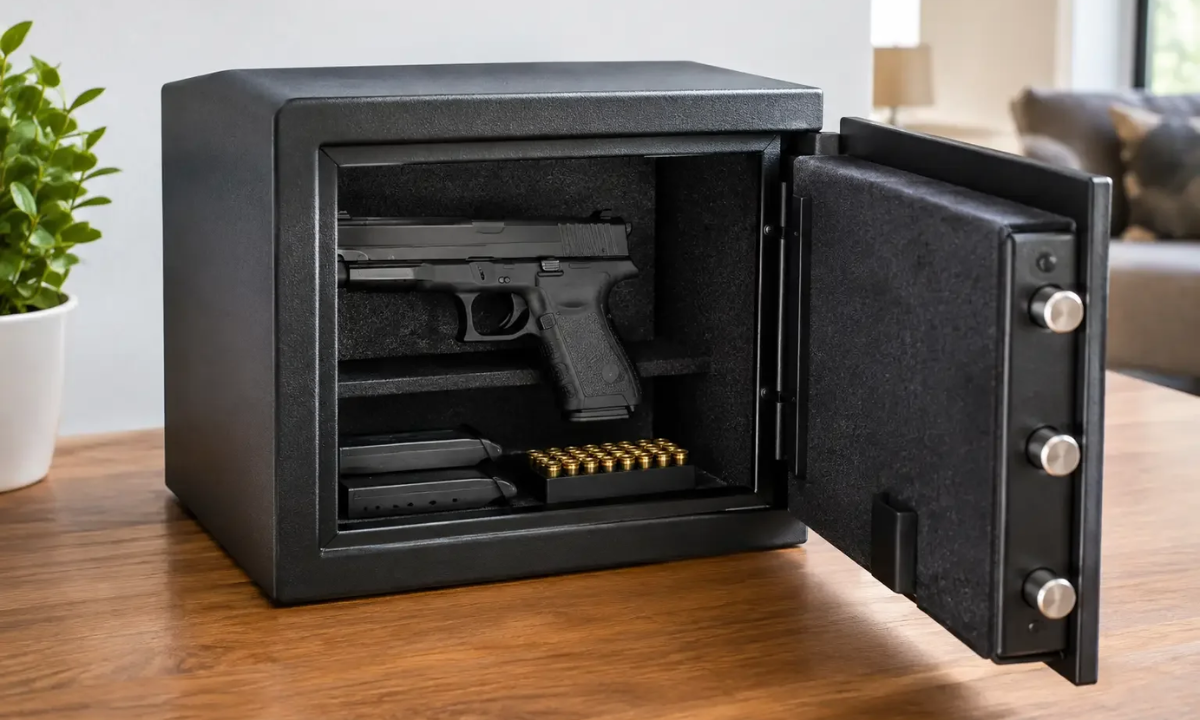
A handgun safe has one job that cannot be compromised: keep a firearm inaccessible to unauthorized people while still allowing the owner to retrieve it when needed. That is why comparing handgun safe brands means looking beyond a biometric reader or a low price. The right safe must fit your firearm, your home, and the way you plan to use it.
For a bedside handgun, speed and reliable access may lead the decision. For a vehicle, closet, or office drawer, mounting strength and concealment can matter more. Brand reputation is useful because it gives you a starting point, but the model-level details are what determine whether a safe is a smart purchase.
What Separates Good Handgun Safe Brands
The better handgun safe brands build around a practical balance of access control, physical construction, and everyday reliability. No compact safe is a substitute for a full-size burglary-rated gun safe, and buyers should be wary of claims that suggest otherwise. A quick-access safe is designed to deter casual theft, prevent unauthorized handling, and store a defensive firearm responsibly in a convenient location.
Start with the body and door. Thicker steel, a reinforced door, concealed or protected hinges, and solid locking bolts offer more resistance than thin sheet-metal boxes with simple latch mechanisms. Pry resistance matters, particularly for a safe kept in a nightstand, closet, or vehicle where a thief could carry it away.
Mounting provisions are equally valuable. A safe that can be bolted to a solid surface is far harder to remove than one secured only by a cable. Cables can be appropriate for temporary vehicle use or travel, but they are not the strongest choice for permanent home installation. Before buying, confirm the mounting-hole pattern and make sure the location can support secure anchoring.
Access method deserves more than a quick glance. Electronic keypads, biometric readers, RFID access, mechanical push-button locks, and keyed overrides each have advantages. The best choice depends on who needs access, how often the safe will be opened, and how much you value battery-free operation.
Trusted Brands and Where They Fit
Barska: Broad Options for Home and Vehicle Storage
Barska is a familiar name for buyers looking for accessible biometric safes, compact lock boxes, and larger firearm storage options. Its handgun safes often appeal to first-time buyers because the product range covers common needs: bedside storage, drawer placement, travel-oriented lock boxes, and biometric access.
When comparing Barska models, focus on the specific locking system and construction rather than choosing solely by the biometric feature. Fingerprint access can be convenient, especially when properly enrolled and tested, but it should be backed by a dependable keypad, key override, or other access method. Check internal dimensions carefully as well. A compact polymer-frame pistol may fit easily where a full-size handgun with a mounted light or optic will not.
Barska can be a sensible fit for a buyer who needs practical, budget-conscious access control and understands the security limits of a portable handgun safe. For a permanent bedside installation, prioritize models with mounting hardware and a steel body over the smallest or lightest option.
Winchester: Firearm-Focused Storage Experience
Winchester is widely recognized by gun owners for firearm storage, including larger gun safes and security products built for the needs of firearm households. That background matters when you are considering how a handgun safe works as part of a broader storage plan.
For many owners, a quick-access handgun safe is not the only safe in the home. The handgun may need to remain available in a controlled location, while additional firearms, ammunition, documents, and valuables belong in a larger gun safe. Choosing a brand with a firearm-focused product lineup can make it easier to build that layered approach to security.
Look for practical details such as interior padding, enough clearance for your configured handgun, low-light keypad visibility, and quiet entry if the unit will be used near a bed. Quiet operation is not just a convenience feature. It can make a real difference when you want controlled access without waking children or alerting guests.
Mesa Safe: Security-Minded Construction
Mesa Safe is known for residential and commercial security products, with an emphasis on steel construction and dependable lock options across its broader safe lineup. Buyers familiar with burglary and fire safes often appreciate brands that approach compact storage with the same attention to basic physical security.
A Mesa handgun safe may be especially worth considering when your priority is a more substantial lock box for a closet, desk, or fixed installation. As with any brand, do not assume every model has the same steel thickness, lock quality, or mounting capability. Read the specifications for the exact unit, including exterior weight, door design, bolt configuration, and included mounting hardware.
For a handgun that will remain stored most of the time rather than accessed nightly, a more deliberately built mechanical or electronic lock box can be a better fit than a feature-heavy biometric model. The trade-off is usually speed. Mechanical access may take longer, but it avoids batteries and fingerprint-read errors.
Hollon and Sun Welding: When the Plan Is Bigger Than One Handgun
Hollon and Sun Welding are names many serious safe buyers recognize for heavier-duty home and gun safe solutions. They may not be the first brands a shopper considers for a small bedside box, but they matter when a handgun safe purchase is part of a higher-security home plan.
If you own multiple firearms, have valuable collections, or want meaningful burglary and fire protection, a compact quick-access safe should complement rather than replace a full-size safe. A larger safe can provide organized, anchored storage for firearms that are not in immediate use. It can also protect records, valuables, and heirlooms when its listed fire rating and construction match the risk you are trying to address.
This layered setup is often the most responsible answer for families. Keep only the firearm you need in a quick-access safe, store the rest in a properly installed full-size gun safe, and make sure every authorized household member understands the storage plan.
How to Compare Models Without Getting Lost in Features
The fastest way to narrow the field is to decide where the handgun safe will live. Bedside, closet, vehicle, office, and travel use each create different priorities. A safe that works well under a bed may be too large for a center console, while a lightweight travel box may not be appropriate as the primary home storage solution.
Next, measure the firearm as it will actually be stored. Include a holster if you intend to store it holstered, along with a light, laser, optic, extended magazine, or suppressor-height sights. Many returns happen because a buyer measured only the unloaded handgun and overlooked the accessories that add height or length.
Then compare the lock system honestly. Biometric access is quick when the reader recognizes the enrolled print, but fingers can be wet, dirty, injured, or positioned inconsistently. Enroll multiple fingers if the safe allows it, test them regularly, and keep batteries fresh. A keypad offers reliable repeatable access for many users, while an RFID tag can be convenient but must be controlled carefully. Mechanical push-button locks eliminate battery concerns, though they are usually slower and require deliberate practice.
Finally, consider what happens after a failed entry attempt or dead battery. A well-designed safe should have a clear, secure backup-access procedure. Keep override keys controlled and separate from the safe itself. A key hidden in the same nightstand drawer defeats much of the purpose.
Questions to Ask Before You Buy
Ask whether the safe can be anchored where you need it. Ask whether it accommodates your exact handgun configuration. Ask what type of backup entry is provided and whether batteries can be changed from outside the safe. These questions often reveal more than a long feature list.
Also ask what level of theft resistance you truly need. A compact handgun safe is an excellent tool for responsible access control, but a determined thief with time and tools may defeat a small portable unit. If your risk profile includes longer absences from home, high-value firearms, or a collection, consider adding a heavier gun safe with stronger burglary protection and appropriate anchoring.
Fire protection is another area where labels matter. Many small quick-access handgun safes are not fire rated. If protecting firearms from fire is a central goal, compare listed fire ratings on larger safes and understand the testing conditions. A stated duration and temperature tell you far more than a vague claim that a product is fireproof.
Choose for the Moment That Matters
The best handgun safe brand for your home is the one that delivers dependable access for you, meaningful protection from unauthorized users, and a construction level that matches its location and purpose. Brand reputation can narrow the search, but dimensions, lock performance, mounting options, and realistic security expectations should make the final decision.
Take a few minutes to measure the space, handle the access process in your mind, and picture the safe during an ordinary late-night battery change or an unexpected emergency. The right choice should make responsible firearm storage feel routine, reliable, and ready when it matters.