A controlled substance safe can pass inspection on paper and still create daily problems at the counter. The wrong footprint slows fills. The wrong lock setup creates bottlenecks at shift change. And the wrong installation leaves an expensive safe acting like a heavy cabinet instead of a real theft barrier.
A good pharmacy controlled substance safe setup has to do two things at once. It needs to strengthen physical security, and it needs to fit the pace of pharmacy operations. That balance matters whether you are opening a new location, replacing an undersized unit, or tightening procedures after a loss event.
What a pharmacy controlled substance safe setup needs to accomplish
For most pharmacies, the goal is not simply buying the heaviest safe available. It is building a setup that supports compliance, controlled access, inventory protection, and staff workflow without creating unnecessary friction.
That starts with understanding your risk profile. An independent community pharmacy with lower controlled volume may not need the same construction level or internal capacity as a high-volume retail pharmacy or a hospital outpatient location. At the same time, going too light because current volume is modest can backfire if your controlled inventory grows or your insurer expects more substantial burglary protection.
A proper setup usually comes down to five connected decisions: safe rating, size, lock type, placement, and anchoring. Miss one of those, and the rest of the system gets weaker.
Start with the safe itself, not just the storage policy
Policies matter, but physical security starts with steel, lock protection, and resistance to attack. If you are shopping for a safe for controlled substances, construction details deserve close attention. Body thickness, door strength, hardplate protection, relockers, and lock listing all tell you more than a generic product label.
For some pharmacies, a heavy-duty burglary safe may be enough. For others, especially locations with higher exposure, higher inventory value, or stricter insurance expectations, stepping up to a TL-rated safe can be the smarter long-term move. A TL-15 or TL-30 safe offers tested burglary resistance that goes well beyond what a standard office safe provides. That does not mean every pharmacy needs a TL-rated model, but it does mean the decision should be tied to actual risk and not just price.
Fire protection can matter too, though it depends on what else is being stored. If the safe is strictly for controlled medications, burglary resistance often leads the conversation. If records or sensitive documents are stored alongside inventory, a fire-rated model may deserve stronger consideration. In some cases, pharmacies split these functions and avoid compromising on either side.
Why lock choice affects more than convenience
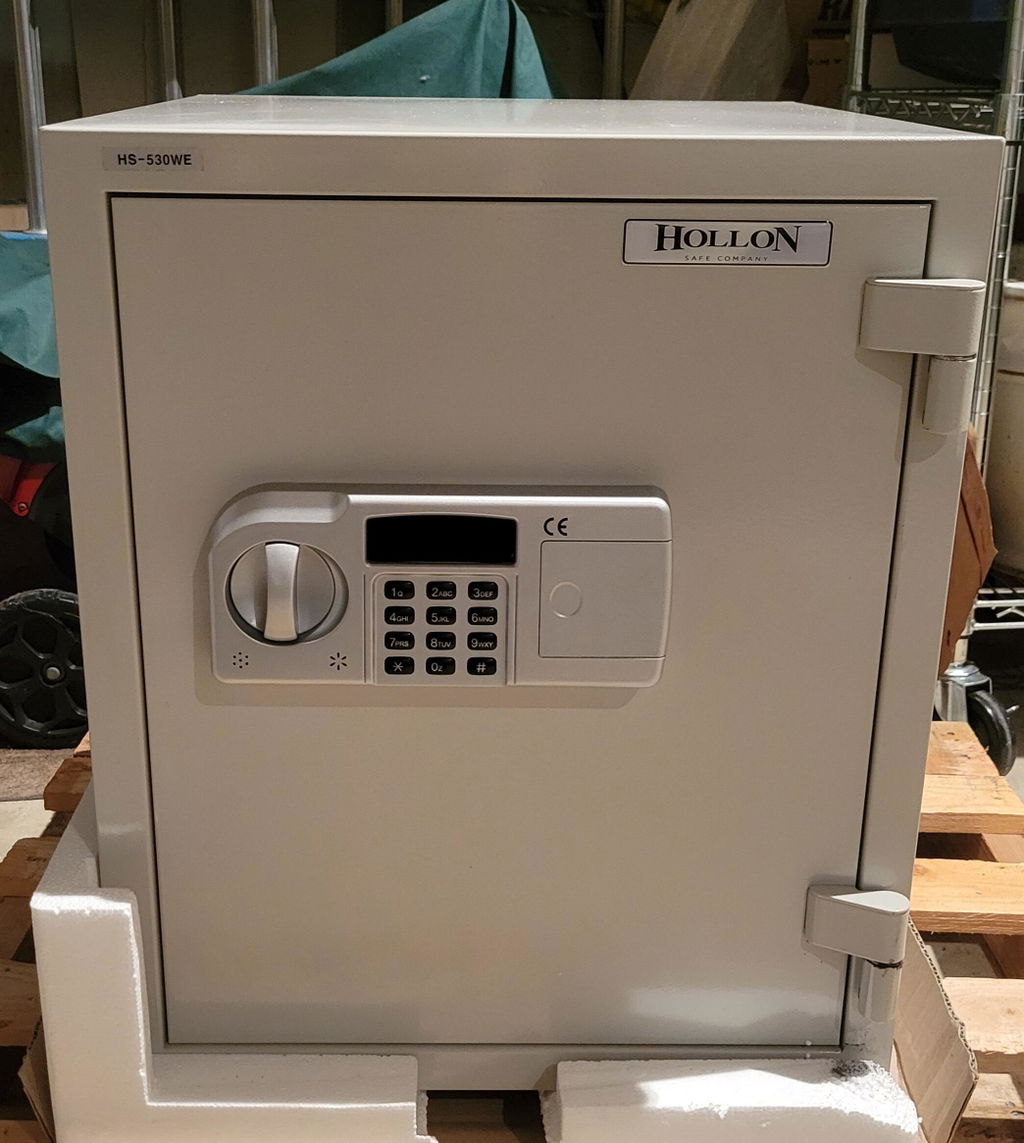
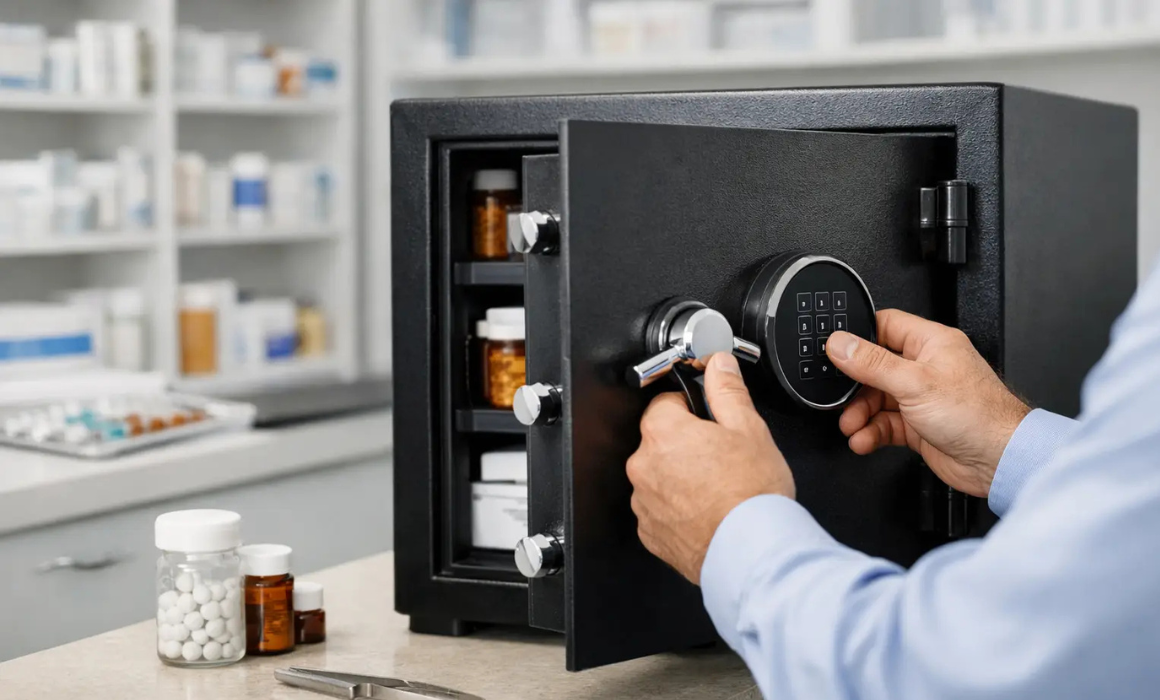
Electronic locks are common because they simplify daily access and code changes. In a pharmacy environment with multiple authorized users, that flexibility is useful. If a manager leaves or access permissions change, updating a code is faster than rekeying a mechanical system.
But convenience is not the whole story. Some operations prefer dual-control features, time delay, audit capability, or user-specific access tracking. Those features can help reduce internal risk and support tighter chain-of-custody procedures. Mechanical dial locks still have a place, particularly where simplicity and long-term reliability are priorities, but they can slow access in busy environments.
The best answer depends on staffing patterns and how often the safe is opened during a normal day. A setup that looks secure but creates constant workarounds is usually a bad setup.
Sizing the safe for actual pharmacy use
One of the most common mistakes in pharmacy controlled substance safe setup planning is buying to current shelf count only. Pharmacies rarely stay static. Inventory shifts. Packaging sizes change. Segregation needs increase. If the safe is full on day one, staff will start improvising somewhere else.
Capacity should account for more than cubic inches. Interior organization matters because pharmacies need controlled access without chaos. Shelves, lockboxes, bins, or internal compartments can improve separation by schedule, dosage form, or high-risk item category. That may sound like a small detail, but poor internal organization increases handling time and raises the odds of counting errors.
It also helps to think about opening clearance and door swing. In tight pharmacies, a safe may technically fit the footprint while still interfering with drawers, workstations, or staff movement. Measure the full operating space, not just the outside dimensions.
Placement can strengthen security or weaken it
Safe location is often treated as an afterthought, but it changes both theft resistance and daily usability. A visible front-of-house location may discourage tampering in some environments because of customer traffic, but it can also advertise where controlled inventory is stored. A back-room location offers more discretion, though it should not place the safe in an isolated area with weak structural protection or limited supervision.
In most pharmacies, the best location balances restricted visibility with controlled staff access. It should support efficient retrieval during dispensing while limiting unnecessary exposure to customers, vendors, and unauthorized employees.
There are practical issues too. Floor loading matters with heavier safes. Wall clearances matter. If the safe goes into a room with other sensitive materials, you also need to think through camera angles, line of sight, and how opening activity is observed. A strong safe hidden in a dead corner may sound secure, but it can create blind spots you do not want.
Anchoring is not optional
A safe that is not anchored is easier to defeat than many buyers realize. Thieves do not always attack on site. In some break-ins, the goal is simply to remove the container and open it later with more time and tools.
That is why anchoring is a core part of setup, not a finishing detail. The anchor method needs to match the safe design and the installation surface, whether that is concrete or another approved substrate. Heavier safes offer more resistance on their own, but weight does not replace anchoring. For controlled substance storage, both should work together.
If installation conditions are unusual, such as elevated floors, limited slab access, or leased spaces with restrictions, it is worth sorting that out before purchase. The right safe on the wrong floor plan can turn into an expensive compromise.
Access control should match pharmacy operations
The safe is only one part of the system. How people use it matters just as much. Many pharmacies benefit from limiting access to a defined group of authorized staff rather than making the safe available to every pharmacist or technician on shift. That can tighten accountability, but there is a trade-off. If access is too restricted, workflow can stall when key personnel are tied up or unavailable.
This is where it helps to be realistic. A small independent store may function well with manager and pharmacist access only. A larger operation may need layered access, scheduled code changes, and clearer opening and closing procedures to keep the day moving.
If your operation changes hands between shifts, think about how credentials are transferred, who verifies counts, and what happens when a code must be updated quickly. The physical safe should support those procedures, not fight them.
Buying for the inspection and buying for the next five years are different things
A pharmacy can technically meet a minimum expectation and still end up undersized, underbuilt, or awkwardly installed. That is why the better buying question is not just, "What satisfies the rule?" It is, "What protects inventory and works under pressure?"
That may lead one pharmacy toward a compact burglary safe with an electronic lock and anchored base. Another may need a larger, heavier unit with higher burglary ratings and tighter access controls. There is no single correct model for every location because controlled volume, staffing, floor plan, and loss exposure vary.
What should stay consistent is the decision process. Look at inventory value, opening frequency, internal access needs, physical layout, and installation conditions before you compare models. That approach leads to a safer and more usable result than shopping by dimensions alone.
For pharmacies that want help sorting through ratings, lock options, and installation fit, Secure Zoned can help narrow the field based on real use case requirements instead of guesswork.
A controlled substance safe should not just check a box. It should reduce vulnerability every day, without slowing down the people responsible for getting medications into the right hands.