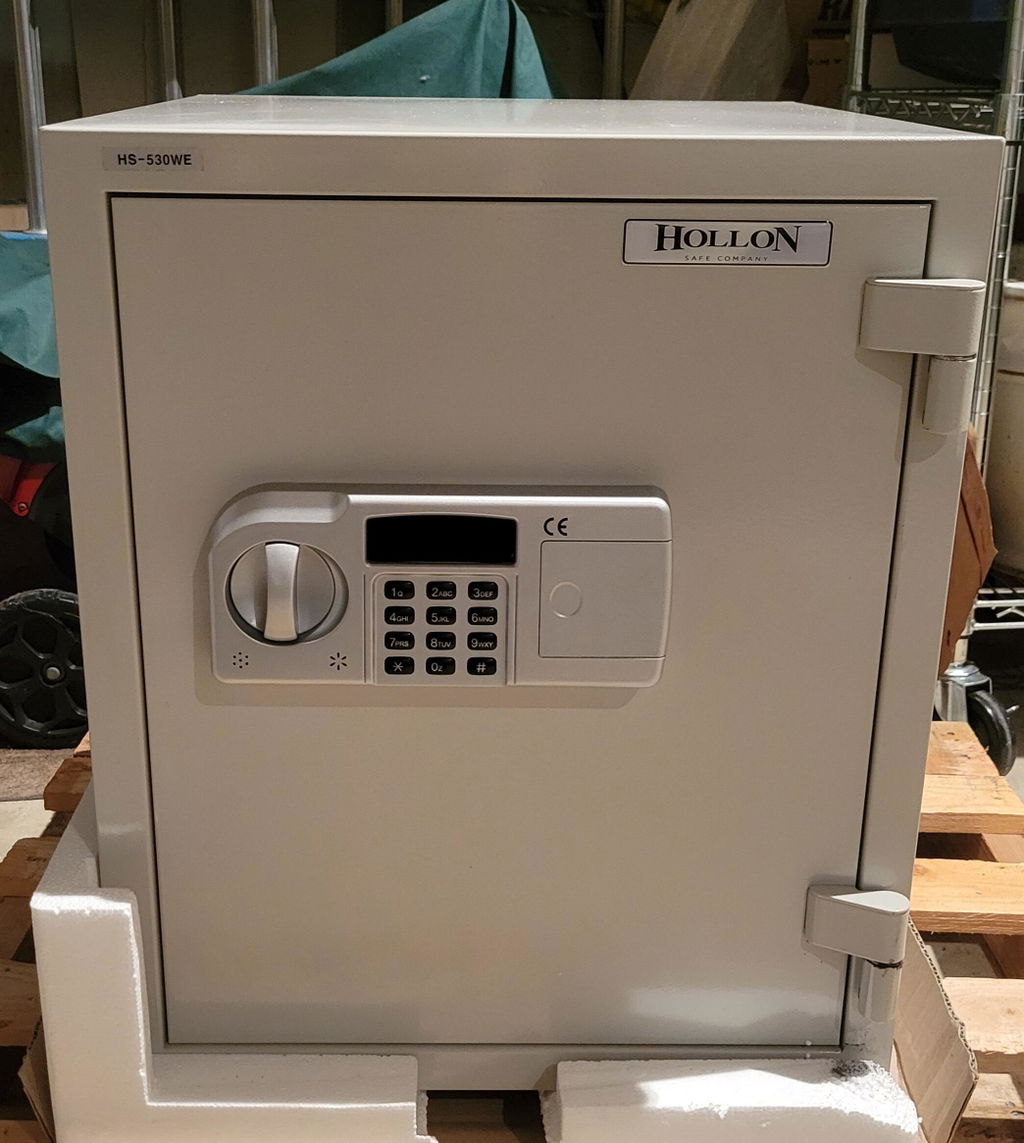
A safe is not a purchase most people want to make twice. Whether you are securing firearms from unauthorized access, protecting family documents from fire, or keeping daily cash secure at work, the phrase safe brands made in USA may be part of your search for a better-built, more accountable option. It is a worthwhile starting point, but it should not be the final deciding factor.
Where a safe is made can tell you something about manufacturing oversight, service access, and build philosophy. It does not automatically tell you how long the safe resists fire, whether its lock is reliable, or whether it can be properly anchored in your space. The right choice comes from looking at the full protection package.
What “Safe Brands Made in USA” Really Means
“Made in USA” is often used broadly in the security industry. A safe may be designed, fabricated, painted, and assembled in the United States, while certain parts, such as electronic locks, keypads, or fire insulation materials, come from elsewhere. Other products may be assembled domestically from globally sourced components. Still others are imported by a US-based brand.
That distinction matters because a brand name alone does not establish a product’s country of origin. Manufacturing can vary between product lines, sizes, and even production runs. If US origin is a deciding requirement for you, ask about the specific model, not just the brand’s overall reputation. A knowledgeable retailer should be able to help confirm what the manufacturer represents for that safe.
For many buyers, domestic manufacturing is appealing because it can mean closer access to replacement parts, repair support, and factory expertise. This can be especially valuable with a large gun safe, a custom vault door, or a high-security safe expected to serve for decades. American fabrication may also be a strong fit for buyers who prioritize heavy steel construction and locally supported service.
Still, there is a trade-off. American-built safes can carry a higher price than imported alternatives with similar exterior dimensions. That added cost may be justified by thicker steel, more substantial door construction, customization, or serviceability, but compare the actual specifications rather than assuming every US-made model is stronger.
Look Beyond Origin to the Safe’s Actual Protection
A safe’s performance comes down to its construction, tested ratings, lock, installation, and how it matches the threat you are trying to address. A basic residential safe may be appropriate for documents and household valuables, while a jewelry collection, pharmacy inventory, or business cash deposits call for a more serious level of burglary resistance.
Steel and door construction
Steel thickness is one of the first specifications worth comparing. Pay attention to the body, door, frame, and bolt work rather than focusing on a single impressive-sounding number. A heavier door is useful, but the barrier around the door and the quality of the locking system matter just as much.
Look for practical burglary-deterrent features such as solid locking bolts, a reinforced door frame, hardplate protection around the lock, and relockers that activate if someone attacks the lock area. These features do not make a safe invincible. They are designed to add time, noise, and difficulty to an attempted break-in.
Weight is also informative, though it is not a complete security rating. A heavier safe can be harder to remove, but fire insulation contributes significant weight as well. Read the construction details and plan for proper delivery, floor capacity, and anchoring.
Fire protection that matches what is inside
A fire rating is not simply a promise that every item inside will survive any fire. It reflects a particular test, temperature exposure, duration, and interior temperature target. The best rating for you depends on what you are protecting.
Paper documents can tolerate higher internal temperatures than digital media. Photos, external hard drives, and other sensitive media may require a specialized media-rated container rather than relying on a standard fire safe. For paper records, compare the stated fire duration and test standard carefully. A label stating 60 minutes is more useful when you understand whether it comes from independent testing or a manufacturer claim.
Water resistance can be worthwhile for homeowners in flood-prone areas or for anyone concerned about sprinkler discharge after a fire. But a water-resistant safe is not necessarily intended for full submersion. Check the stated depth and duration if water exposure is a key concern.
Locks, access, and accountability
The best lock type depends on who needs access and how quickly. Mechanical combination locks are proven, battery-free, and familiar to many long-term safe owners. Electronic locks offer fast entry and easy code changes, which can be useful for a business manager or a homeowner who accesses the safe regularly. Biometric locks can provide quick access for a handgun safe, but fingerprint performance should be considered alongside a reliable keypad or key backup method when available.
For a higher-value safe, a UL-listed lock is a meaningful trust signal. It indicates that the lock has been evaluated to a recognized standard. It does not eliminate the need to choose a reputable safe body and install it correctly, but it is a worthwhile detail to verify.
How to Compare Safe Brands Made in USA
When comparing safe brands made in USA, separate the brand’s reputation from the exact safe in front of you. Some manufacturers are well known for American-built models, while other respected brands offer product lines made in different locations. Neither scenario is automatically better for every buyer.
Start by defining the purpose. A responsible firearm owner may need a full-size gun safe with secure long-gun storage, adjustable shelving, and an anchoring system. A bedside handgun owner may prioritize fast, reliable access and protection from children or unauthorized users. A retailer handling cash may need a depository safe that allows employees to make deposits without opening the main cash compartment.
Then ask four direct questions before you buy:
- Is this specific model manufactured or assembled in the United States, and which major components may be sourced elsewhere?
- What independent burglary or fire rating applies to this exact safe?
- What are the body and door steel specifications, lock type, and anti-theft features?
- Can this safe be anchored where it will be installed, and is professional delivery needed?
For high-security needs, ratings deserve special attention. A UL Residential Security Container rating can be appropriate for many home applications, but it is different from a TL-rated safe. TL-15 and TL-30 ratings indicate substantially greater resistance to professional tool attacks under a defined testing process. They are often the better conversation for substantial jewelry, business cash, controlled inventory, or valuables that would create a serious financial loss if stolen.
A TL-rated safe is also a major commitment. These safes are exceptionally heavy, often require specialized delivery, and may need structural planning before installation. Their cost and weight are not necessary for every home, but they can be the right investment when ordinary residential protection is not enough.
Installation Can Make or Break a Good Safe
Even an excellent safe loses much of its advantage if it can be removed from the property. When the manufacturer provides anchor holes and installation guidance, bolting the safe to a suitable concrete floor or structural surface is one of the most practical security upgrades available. The correct method depends on the safe, the floor, and the building structure, so follow the manufacturer’s instructions or use a qualified installer.
Placement matters, too. Avoid locations that make removal easy or expose the safe to unnecessary moisture. A garage may offer convenient access, but temperature swings, humidity, and public visibility can create problems. An interior location may provide better environmental protection and more discretion, though stairs, tight doorways, and floor load limits must be considered before delivery.
For firearm storage, accessibility requires special thought. A safe should prevent unauthorized access while allowing the lawful owner to retrieve firearms when needed. That balance is different for a quick-access handgun safe than for a large collection stored in a gun safe. Capacity should include room for future needs, but do not buy so large that safe placement and anchoring become an afterthought.
Choose the Brand, Then Verify the Model
A recognized name can help narrow the field, especially when it is backed by clear specifications, dependable warranty support, and parts availability. But the best safe is rarely chosen by logo or country of origin alone. It is chosen by matching the safe’s tested protection, build quality, lock design, fire performance, and installation plan to what you cannot afford to lose.
If you are weighing several models, bring the real-world details into the conversation: what you are storing, where the safe will sit, whether it must be moved upstairs, and the level of theft or fire protection you need. Secure Zoned can help translate those details into a safe that protects what matters most, without asking you to pay for security features that do not fit your situation.