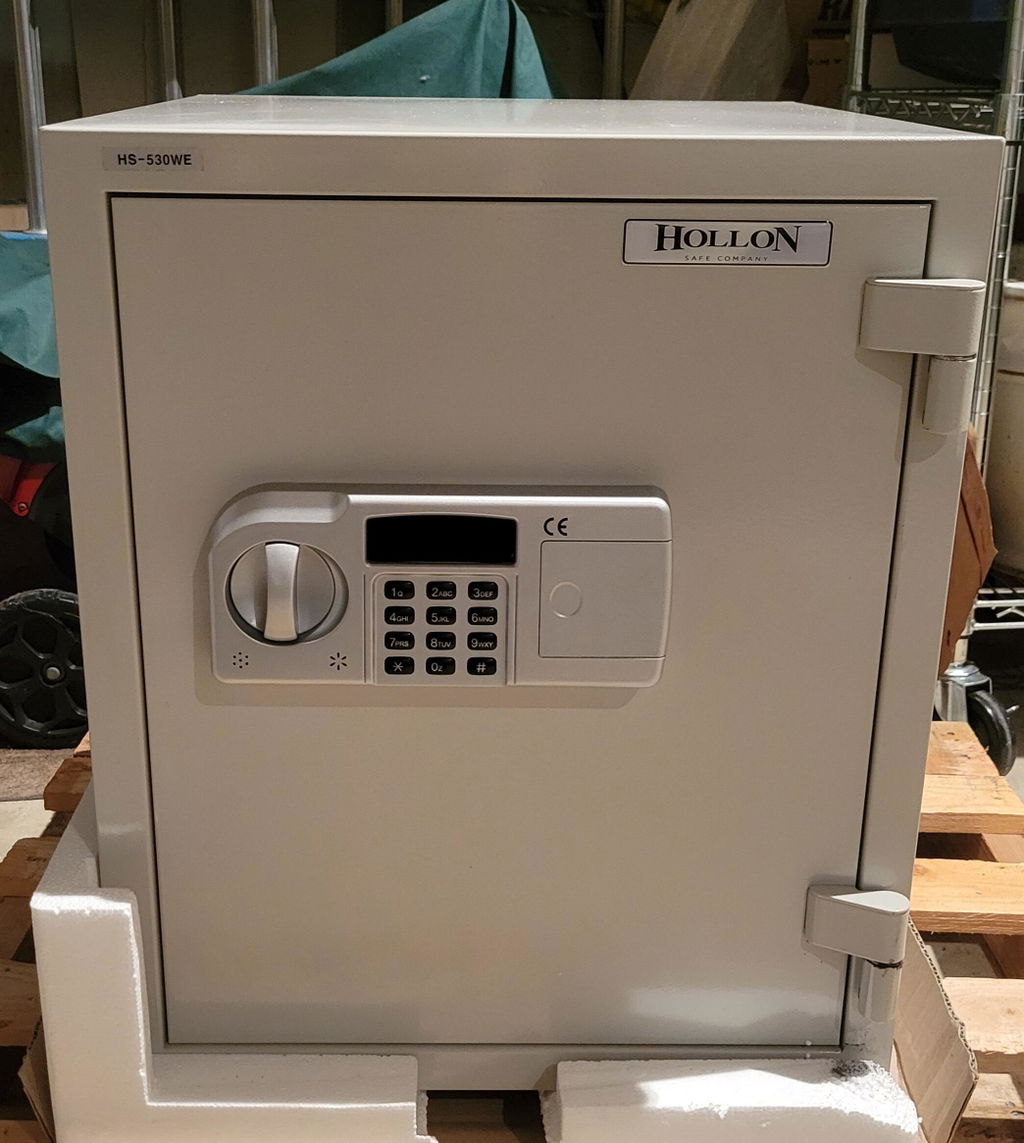
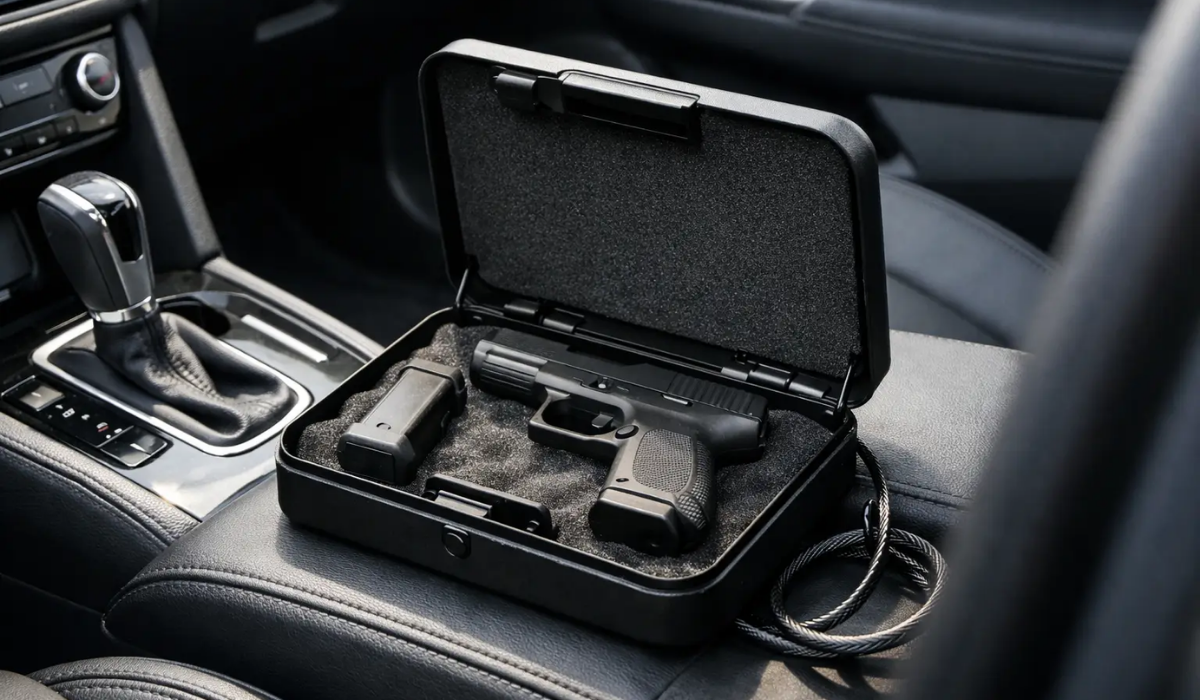
A handgun left loose in a console, glove box, or door pocket is an easy target for theft and a serious storage mistake. If you are shopping for a secure handgun safe for car use, the real question is not just where the safe fits - it is how well it resists smash-and-grab theft, how quickly you can access it when lawful, and whether it works with your vehicle and daily routine.
What a secure handgun safe for car use actually needs to do
A vehicle safe has a narrower job than a full-size home gun safe, but the stakes are still high. It needs to keep unauthorized hands off the firearm, stay anchored to the vehicle, and hold up long enough to defeat the kind of fast theft attempt that happens in a parking lot.
That means size alone is not security. A compact box that slides under a seat may be convenient, but convenience without a real attachment point is not much protection. Most car handgun safes rely on a wrapped steel security cable, a reinforced tether point, or direct mounting hardware. Between those options, direct mounting is generally stronger, but it is not always practical for leased vehicles or drivers who need to move the safe between cars.
A good vehicle safe also needs to balance access and discretion. If the safe is too large, it may print under a seat or limit placement options. If it is too small, it may not fit your handgun with an optic, mounted light, or even a standard magazine inserted.
Why a glove box is not a substitute
Many drivers assume a factory glove box lock provides enough separation. It usually does not. Glove boxes and center consoles are designed for storage, not real burglary resistance. In many vehicles, they can be forced open quickly with basic hand tools or broken trim.
A purpose-built handgun safe uses heavier steel, a more secure lid design, and a dedicated lock mechanism. Some also protect the hinge side better, which matters because thieves often attack the weakest edge rather than the front lock area. If you are storing a firearm in a vehicle at all, the safe should be doing actual security work - not just hiding the gun from casual view.
Lock type matters more than most buyers expect
The right lock depends on where and how you drive. For some owners, a simplex-style mechanical pushbutton lock makes the most sense because it avoids batteries and electronics. For others, an electronic keypad is faster in low light and easier to use consistently.
Biometric access sounds appealing, especially for fast entry, but vehicle conditions are tougher than bedside conditions. Heat, cold, dust, vibration, and changing hand position can all affect fingerprint performance. Some biometric safes perform well, but they need a quality sensor and a dependable backup entry method. For a car safe, that backup is not optional.
Keyed entry is usually the least desirable primary option for daily vehicle use. A key can be lost, forgotten, or left too close to the safe. It may still work as a backup system, but relying on it alone adds friction when seconds and consistency matter.
Fit is not just about the gun
Before choosing a secure handgun safe for car placement, measure more than the firearm itself. You need to account for the safe's exterior dimensions, lid clearance, hinge movement, and the actual opening path inside the vehicle.
Under-seat space is the most common target location, but under-seat fit varies wildly. Power seat rails, floor vents, uneven carpet, and low-clearance crossbars can eliminate what looks like usable space. A safe that technically fits may still be hard to retrieve or impossible to open fully once installed.
Center-console vault options can offer a cleaner integrated look, but they are vehicle-specific and can reduce available storage. Portable lock boxes are more flexible and easier to transfer between vehicles, though they usually sacrifice some resistance compared to a bolted, model-specific console insert.
If your handgun has a red dot, threaded barrel, extended baseplate, or weapon light, verify internal dimensions carefully. Many fit problems happen because buyers check barrel length but overlook sight height or accessory width.
Steel thickness, pry resistance, and cable security
Not every car safe marketed for firearms offers the same level of protection. Thin-gauge steel may deter casual handling, but it can still fold or peel under attack. Heavier steel construction, reinforced corners, stronger hinge protection, and a recessed lid design all improve resistance.
Cable security deserves extra scrutiny. A thick cable sounds reassuring, but the attachment point matters just as much as the cable diameter. If the cable anchors to a weak seat frame section or a poorly reinforced hole in the safe body, the entire system is weaker than it appears.
For higher-confidence vehicle storage, look for a safe with a solid lock housing, reinforced cable connection, and enough overall structure that the thief cannot simply bend the lid to create an opening. There is no small vehicle safe that matches a residential burglary safe, so realistic expectations matter. The goal is delay, deterrence, and secure containment during lawful transport or short-term vehicle storage.
When portable makes sense - and when it does not
A portable handgun safe is often the right answer for drivers who switch vehicles, travel frequently, or need a storage solution that can move between car and hotel room. It is also a practical option for buyers who cannot drill into a vehicle.
But portability introduces trade-offs. Smaller safes are easier to conceal and easier to carry, yet they may be easier to attack once removed from the vehicle. If you leave the safe tethered and hidden during normal use, that may be acceptable. If your routine involves removing it often, pay closer attention to lock durability, body construction, and how exposed the carrying process makes you.
A more permanent installation is usually better for a dedicated daily driver. It limits shifting, improves consistency, and reduces the chance that the safe gets left unsecured because the setup feels inconvenient.
Legal and practical considerations for vehicle handgun storage
Vehicle firearm laws vary by state, and they can change based on permit status, loaded condition, location in the vehicle, and whether you are entering a prohibited place. A secure safe does not replace knowing the law where you live and where you travel.
From a practical standpoint, the safest routine is the one you will actually follow every time. If the safe is awkward to reach, difficult to open, or hard to relock, people cut corners. That is when firearms end up under seats, in map pockets, or loosely tucked into consoles.
Consistency also matters around parking habits. Even the best vehicle safe should not become an excuse to leave a firearm in a car overnight or for extended periods. A car safe is a layer of protection, not the ideal long-term storage location.
Features worth paying for
Some upgrades are cosmetic. Others materially improve security and usability. A foam-lined interior helps protect the handgun from movement and finish wear, but anti-rattle design can also help keep the safe discreet. Interior lighting may be useful in low-light access situations, though it is secondary to lock reliability.
More important features include tamper-resistant hinges, reinforced latch points, reliable electronic lock components, and included mounting hardware that actually matches the intended installation method. If a product description is vague about steel thickness, lock certification, or anchor design, that is usually a sign to look closer.
This is where a security-focused retailer can help narrow the field. Buyers comparing lock types, mounting options, and safe dimensions often benefit from real support rather than generic product sorting. That is especially true if you need to match a handgun safe to a specific vehicle layout.
How to choose the right model for your routine
Start with your actual use case, not the marketing photo. If you commute daily and need discreet storage during brief stops, prioritize quick access, compact dimensions, and a strong tether or mount. If you road trip across state lines, legal compliance, portability, and backup access methods may matter more. If your vehicle is used by family members or parked in higher-risk areas, a heavier, more resistant unit is worth the added bulk.
Also think about the firearm itself. A subcompact pistol gives you more safe options than a full-size handgun with an optic and light. Buying too small is one of the most common mistakes because it limits real-world usability from day one.
Finally, weigh convenience honestly. The best secure handgun safe for car storage is the one that fits your vehicle, secures properly, and supports safe, repeatable handling without encouraging shortcuts. Security products work best when they are specific to the threat and realistic about the environment.
A vehicle is one of the hardest places to store a firearm well because space is tight, theft can happen fast, and every compromise shows up in daily use. Choose the safe that makes secure storage easier to do right every single time.