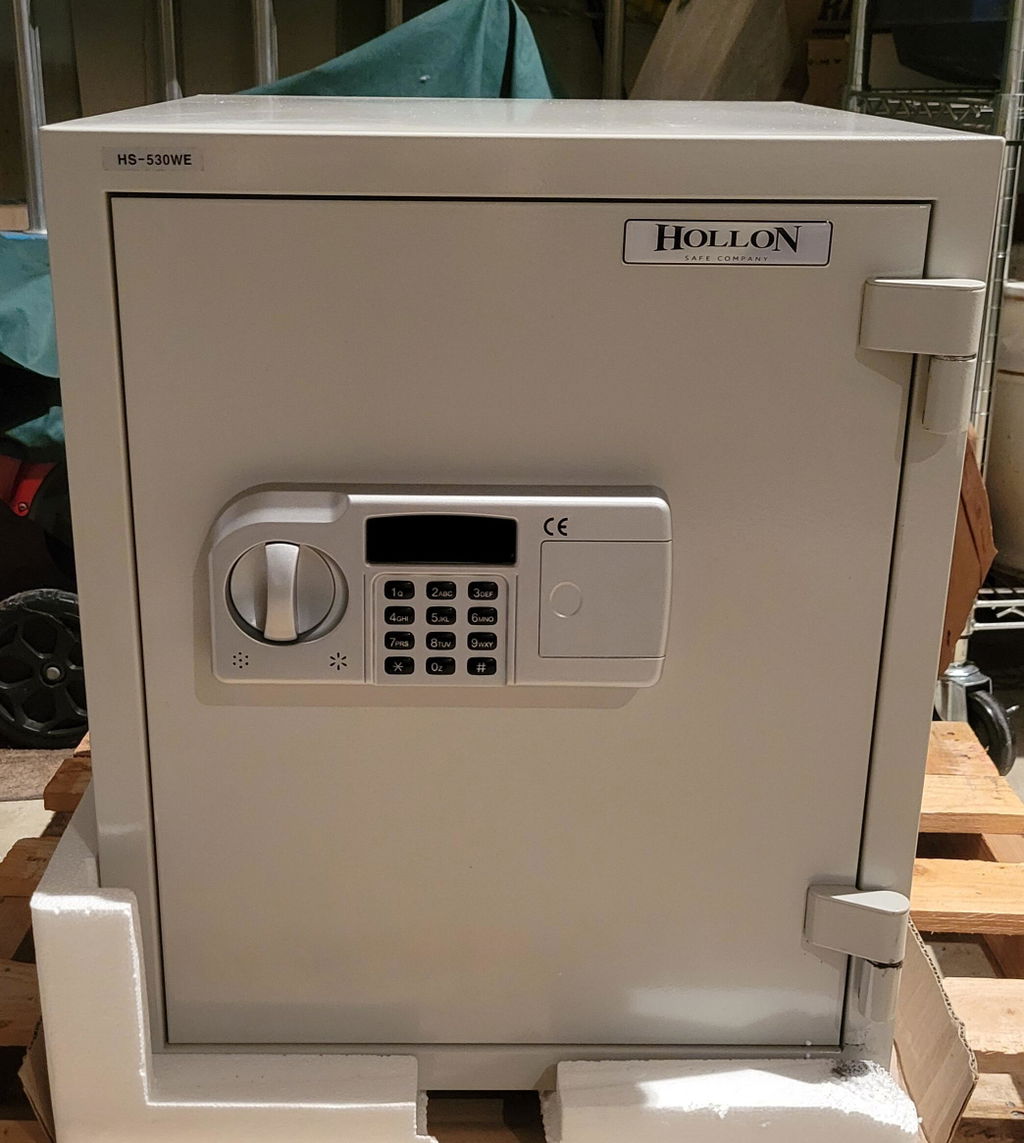

Short answer: yes, put a dehumidifier in your gun safe, especially in a garage, basement or humid climate. There are two types. Electric rods gently warm the air so moisture cannot condense on your guns; they need an outlet but run with no maintenance. Desiccant units absorb moisture with no power inside the safe, but need recharging when the crystals change color. Many owners use a rod for constant protection and add a desiccant for backup. Pair either with a hygrometer so you know the humidity inside.
Gun safe dehumidifiers we carry, compared
| Product | Type | Coverage / capacity | Power | Price |
|---|---|---|---|---|
| Snapsafe 75903 Rod 12″ | Electric rod | 100 cu ft | 7 watts, 110V | $37.00 |
| Snapsafe 75904 Rod 18″ | Electric rod | 200 cu ft | 10 watts, 110V | $38.00 |
| Mesa MD12 Rod 12″ | Electric rod | 100 cu ft | 110V, detachable cord | $81.99 |
| Mesa MD18 Rod 18″ | Electric rod | 200 cu ft | 110V, detachable cord | $92.98 |
| Mesa MD24 Rod 24″ | Electric rod | 300 cu ft | 110V, detachable cord | $108.98 |
| Mesa MD36 Rod 36″ | Electric rod | 500 cu ft | 110V, detachable cord | $129.98 |
| Hornady Dehumidifier Rod 95903 | Electric rod | Gun safes and cabinets | 110V | $39.00 |
| Snapsafe 75902 Canister | Desiccant, rechargeable | Up to 57 cu ft | None inside the safe | $39.99 |
| Hornady Dehumidifier Bag 95908 | Desiccant, oven-recharge | 450 g silica gel | None | $29.00 |
| Hornady Rechargeable 95900 | Desiccant, plug-in recharge | Gun safes and enclosed areas | Recharges from 110V | $39.00 |
| Hornady Canister XL 95906 | Desiccant, oven-recharge | Larger safes and cabinets | None | $59.00 |
Coverage figures are the manufacturers’. Prices are current at the time of writing and may change. See all gun safe dehumidifiers and desiccants.
Electric rod or desiccant: which is better?
Electric dehumidifier rods
- How they work: a low-wattage heating element keeps the air in the safe a few degrees warmer than the room, so moisture does not condense on metal. They do not collect water.
- Pros: run 24/7 with no maintenance; ideal for large safes, garages, basements and humid climates.
- Cons: need a power cord into the safe, usually through the pre-drilled hole in the back.
Desiccant dehumidifiers
- How they work: silica gel absorbs moisture; color-change crystals show when it is full. Recharge in an oven (the Hornady 95908 bag recharges at about 220°F) or by plugging the unit in (Hornady 95900).
- Pros: no wiring; good for smaller safes, safes with no outlet nearby, and handgun safes.
- Cons: you have to check and recharge them; they work best in a sealed, rarely opened safe.
How big a dehumidifier does your gun safe need?
Most gun safes hold between about 10 and 40 cubic feet inside, so a 12″ rod rated for 100 cubic feet is enough for most. Choose an 18″ or larger rod for very large safes, vault rooms or damp basements, and size desiccant units to the manufacturer’s cubic-foot rating. Check your safe’s interior cubic feet on its product page.
What humidity should a gun safe be?
A common target is roughly 30–50% relative humidity. Too high encourages rust; very low humidity can dry out wood stocks and leather. The only way to know is to measure it with a hygrometer such as the Hornady Digital Hydrometer or the Hornady Wireless Hygrometer, which shows the reading without opening the safe.
Where to put a dehumidifier in a gun safe
- Rods: mount low, on the floor of the safe or the lowest shelf, so warm air rises through the interior. Keep them clear of fabric and stocks.
- Desiccants: place on a shelf or door panel where air circulates; use more than one in a large safe.
- Cord routing: run the cord through the safe’s pre-drilled power hole and seal around it.
Other ways to keep guns from rusting in a safe
- Wipe guns down and apply a light coat of gun oil before storage, especially after handling.
- Avoid storing guns in foam-lined soft cases inside the safe; they can trap moisture.
- Keep the safe off bare concrete with a pad or mat, and away from exterior walls in damp basements.
- Open the safe as little as practical in humid weather.
Shopping for a new safe for a garage or basement? Look for one with a factory power outlet or pre-drilled power hole; browse our gun safes.
Frequently asked questions
Should you put a dehumidifier in a gun safe?
Yes. Even a sealed, fire-rated safe traps moisture, and fire insulation can release moisture into the safe over time. A dehumidifier is inexpensive protection for firearms worth far more.
What is the best dehumidifier for a gun safe?
For most safes with an outlet nearby, a 12″ electric rod such as the Snapsafe 75903 or Mesa MD12. Without power, use a rechargeable desiccant like the Snapsafe 75902 canister.
How big of a dehumidifier do I need for my gun safe?
Match the rated coverage to your safe’s interior volume. A 100 cu ft rod covers nearly every gun safe; use 200 cu ft or more for vault rooms and very large safes.
What can I put in my gun safe to keep moisture out?
An electric dehumidifier rod, rechargeable silica gel desiccant, and a hygrometer to monitor it. Oil your firearms and avoid storing them in soft cases inside the safe.