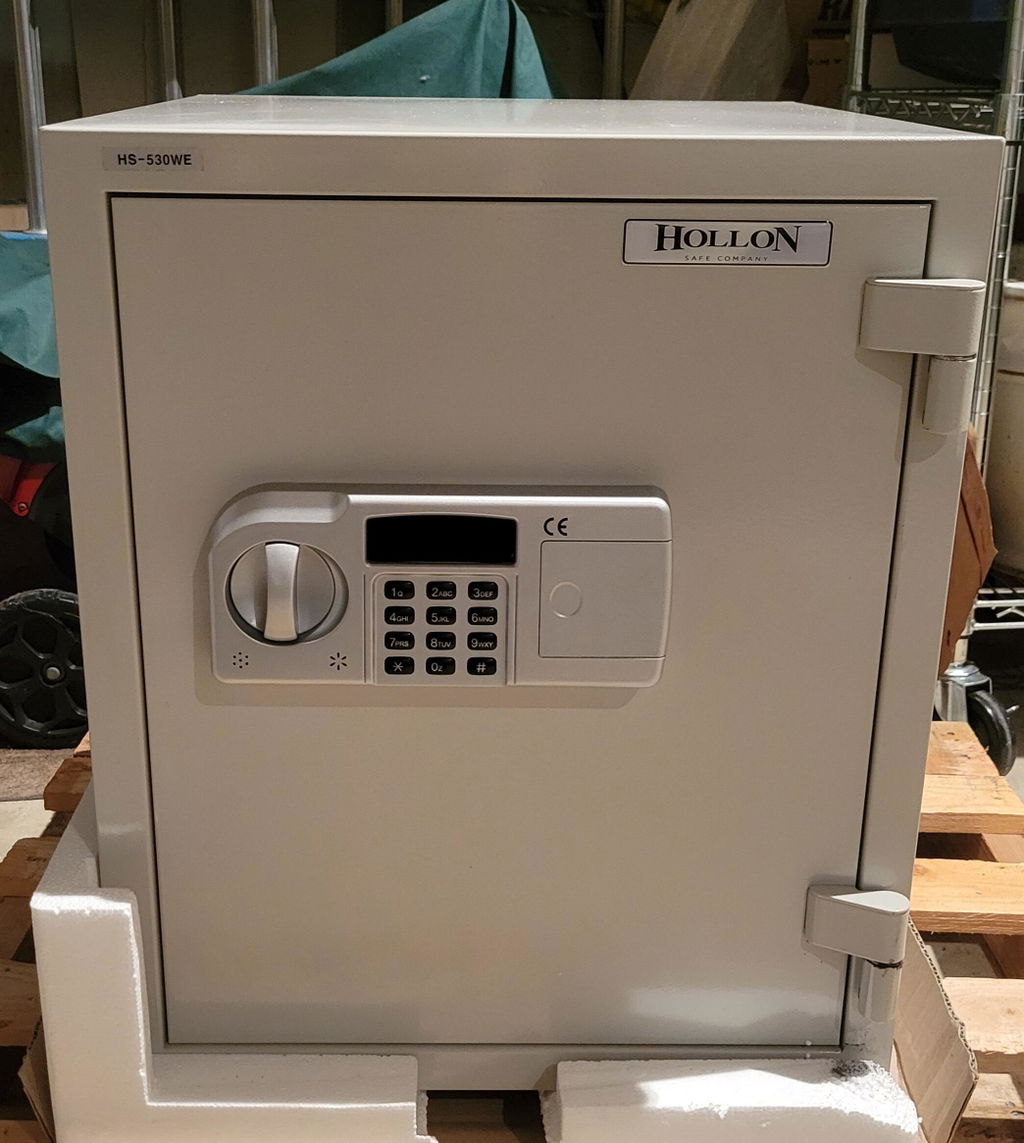
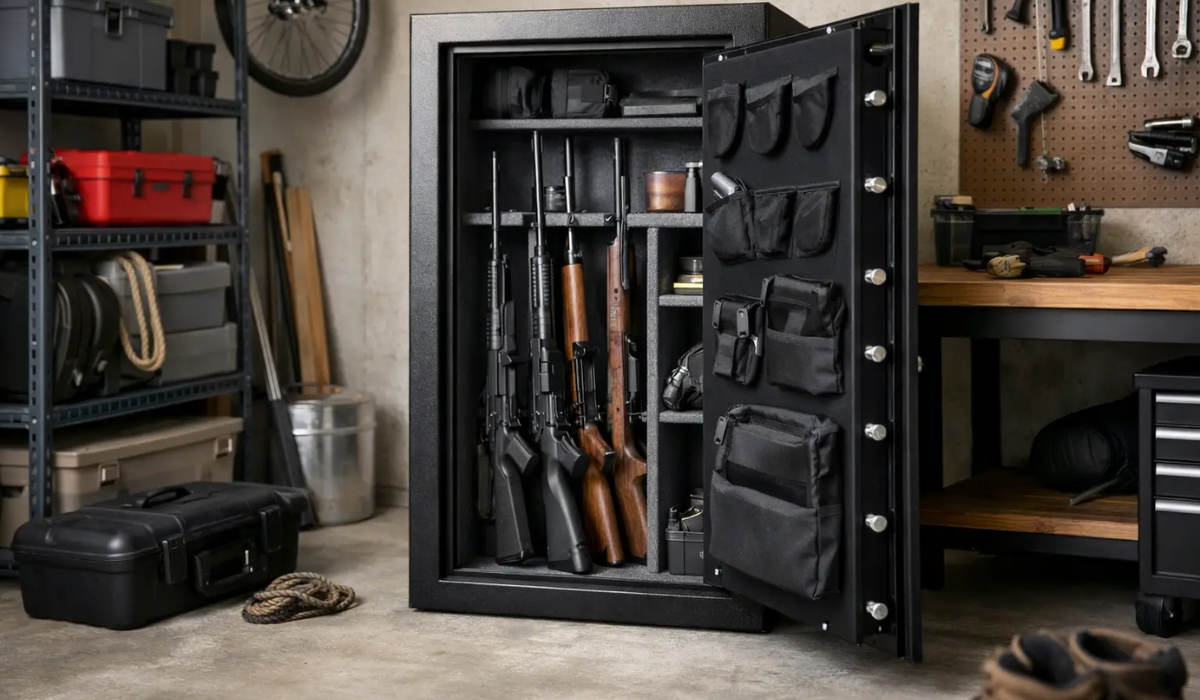
A garage is one of the toughest places in the house to store firearms. Heat swings, humidity, concrete floors, and easier access from the outside all change what counts as the best rifle safes for garages. A safe that works fine in a climate-controlled bedroom can be a poor fit once it sits next to lawn equipment, a water heater, or an uninsulated exterior wall.
That does not mean garage storage is off the table. It means you need to shop differently. The right garage rifle safe has to do more than hold guns behind a lock. It needs enough steel to resist attack, enough fire protection for a realistic home fire scenario, and enough moisture control to keep rust from becoming your next problem.
What makes a rifle safe garage-ready?
The first thing to understand is that garages create two separate risks at the same time. One is security. A thief who gets into your garage may have more privacy and more time than someone trying to break into a safe inside your main living space. The other is environment. Moisture buildup, condensation, and temperature changes can be hard on both firearms and the safe itself.
That is why a garage-safe choice usually starts with body construction and weight. Thin steel cabinets may be fine for basic organization, but they are not ideal in a detached or frequently accessed garage. For most buyers, a true rifle safe with heavier steel, internal locking bolts, and a reliable lock is the better move. Weight matters too. A heavier safe is harder to tip, move, or load onto a dolly, especially after it is anchored correctly.
Fire protection deserves a closer look in garages than many people expect. Garages often contain fuel, chemicals, power tools, and vehicles, which can make fires hotter and more chaotic. A meaningful fire rating helps, but the details matter. Look for a tested fire rating with a clear duration and temperature standard, and remember that a longer fire rating usually adds weight and cost. If your garage is attached and near bedrooms or a living area, that extra protection can be worth it.
Best rifle safes for garages: the features that matter most
When people compare the best rifle safes for garages, capacity is usually the first thing they notice. In practice, it should not be the first filter. Interior capacity numbers are often optimistic, especially if your rifles have scopes, slings, bipods, or larger stocks. A safe advertised for 24 guns may feel much tighter in real-world use.
Instead, start with steel thickness, lock quality, fire rating, and anchoring options. A UL-listed lock is a strong sign that the lock itself meets a recognized standard. Electronic locks are popular because they are fast and easy to use, while mechanical dial locks appeal to buyers who want long-term simplicity with fewer electronic parts. Neither is automatically better for every garage. If your garage gets very hot or cold, some buyers prefer a mechanical lock for peace of mind, while others are perfectly comfortable with a high-quality electronic lock from a reputable maker.
Door organization is another feature worth paying attention to. In a garage, floor space matters. A safe with a well-designed door panel can free up room for handguns, documents, magazines, and accessories without crowding the rifle section. Adjustable shelving also helps if you want the safe to do double duty for ammo, paperwork, or valuables.
Humidity control is where garage buyers should be especially careful. A rifle safe placed directly on concrete is dealing with more than room air. Concrete can transfer moisture, and garages often trap dampness longer than interior rooms. A dehumidifier rod, desiccant packs, and some air circulation inside the safe can make a real difference. Even better, place the safe on a barrier or riser if the manufacturer and installation setup allow it.
Choosing the right type of garage rifle safe
Not every garage calls for the same kind of safe. If your main concern is keeping hunting rifles and a few valuables secure in an attached garage, a mid-size fire-rated gun safe with good steel and proper anchoring may be all you need. If the garage is detached or more exposed, stepping up to thicker steel and a more serious burglary-resistant design makes sense.
For many homeowners, the sweet spot is a full-size gun safe from a trusted brand with a solid fire rating, multiple locking bolts, pry-resistant door construction, and pre-drilled anchor holes. Brands with a strong reputation in the safe industry tend to be a better bet than generic imports that compete on price alone. Specs on paper only matter if build quality holds up in the real world.
If your collection is larger, resist the temptation to buy exactly to your current count. Most rifle owners outgrow their first safe faster than expected. Optics, spacing, and shelving reduce usable capacity. Buying one size up now is usually cheaper and easier than replacing the safe later.
Garage placement matters as much as the safe itself
A well-built safe can still be compromised by poor placement. The best spot is usually away from the main garage door, away from windows, and out of sight from casual visitors. If a burglar cannot quickly see the safe, that helps. If they cannot easily get tools around all sides of it, that helps even more.
Avoid placing the safe directly against a damp exterior wall if possible. Also think about flood risk. Even in garages that do not fully flood, minor water intrusion can happen during storms, snow melt, or hose use. Raising the safe slightly above the floor can help protect both the safe and its contents.
Anchoring is not optional in a garage. A lighter safe that is not bolted down can become a take-home project for a thief. Concrete anchoring usually makes the most sense in garage installations, but the correct hardware and method depend on the floor and the safe manufacturer’s guidance. This is one of those areas where doing it right matters more than doing it fast.
What to avoid when shopping
One common mistake is choosing a low-cost gun cabinet and expecting it to perform like a true safe. Cabinets can help with basic access control, but they generally do not offer the same steel thickness, fire protection, or pry resistance. In a garage, those gaps are harder to ignore.
Another mistake is overvaluing interior extras while underestimating the shell. LED lighting, fancy upholstery, and accessory pockets are nice. They should not outweigh core protection features. If the safe skimps on steel or has a vague fire rating, those extras should not be the reason you buy.
It is also smart to be realistic about finish durability. Garage environments can be harder on exterior paint and trim than interior rooms. A durable powder-coated finish and quality seals matter more here than cosmetic details.
How to compare models without getting lost in the specs
A practical way to compare garage safes is to narrow your decision to four questions. First, how exposed is the garage to theft and weather? Second, how many rifles do you actually need to store with optics and accessories? Third, what level of fire protection fits your home and your risk tolerance? Fourth, will you actively manage humidity inside the safe?
Once you answer those, the field gets smaller. A buyer in a dry climate with an attached garage may prioritize burglary resistance and organization. A buyer in a humid region may put more weight on seals, interior climate control, and elevated installation. Someone storing a few working rifles will shop differently than a collector protecting a larger investment.
This is where trusted product support matters. A good safe retailer should be able to explain what steel gauge means in practical terms, whether a 45-minute or 90-minute fire rating is enough for your setup, and what kind of anchoring hardware fits your floor. That kind of guidance is often more valuable than another page of marketing claims.
A smart garage setup protects more than the guns
The best rifle safe for a garage protects access, protects condition, and supports responsible ownership. It helps keep firearms away from unauthorized hands, reduces the risk of theft, and gives your rifles a more stable place to live than a corner rack or soft case. It can also protect documents, optics, and other valuables if the interior is set up well.
For many buyers, the right answer is not the biggest or most expensive model. It is the one that matches the actual environment, the actual collection, and the actual risk. If you take garage conditions seriously from the start, you are much more likely to end up with a safe that still feels like the right choice years from now.
Protect what matters most, but do it with the conditions in mind. A garage can work for rifle storage if the safe is built for the job and installed like you mean it.