A cash drawer left open during a lunch rush is an invitation. So is a back-office envelope stuffed with the day’s deposits, waiting for someone to make a bank run after dark. Depository safes solve that exact problem. They let cash, checks, and receipts go in quickly while keeping unauthorized hands out, which is why they are such a practical upgrade for retailers, restaurants, hotels, offices, and other businesses that handle money throughout the day.
If you are shopping for one, the right choice depends less on brand hype and more on how your business actually handles deposits. Slot size, lock type, steel construction, anchoring, and internal design all matter. A safe that works well at a busy convenience store may be a poor fit for a medical office or small restaurant. The goal is simple - make deposits easy, make access limited, and make theft a lot harder.
What depository safes are designed to do
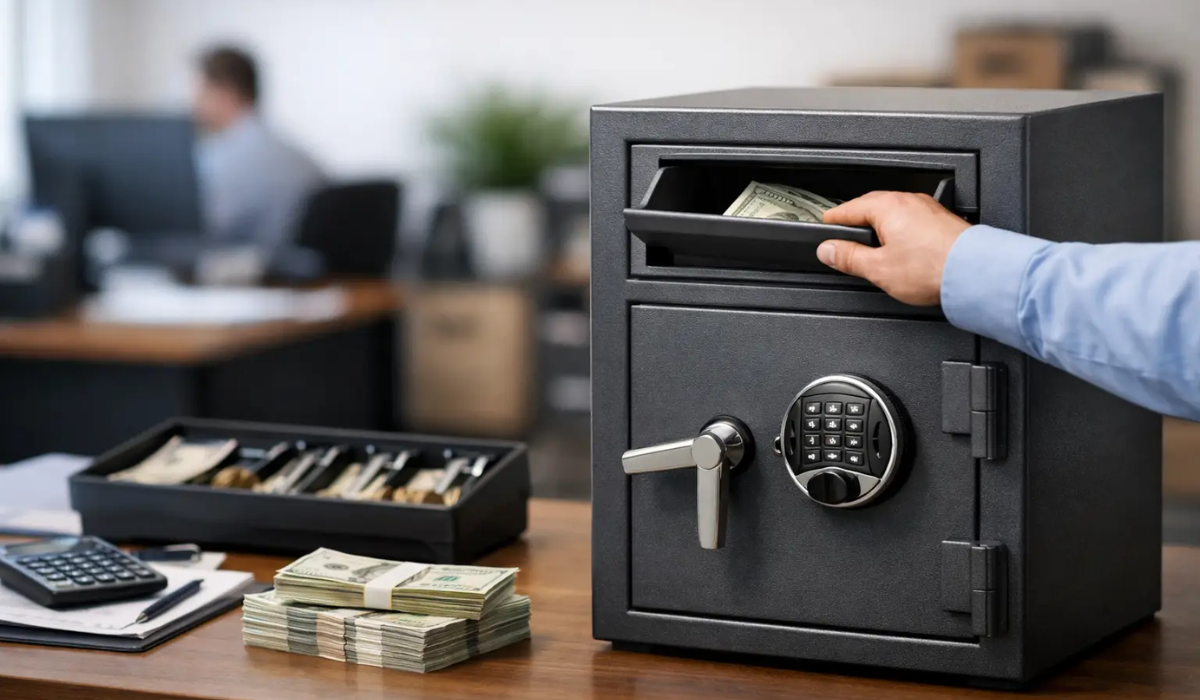
Depository safes are built for one-way convenience. Staff can drop cash bags, envelopes, checks, and till contents into the safe without opening the main compartment. That sounds simple, but it changes the risk profile of a business in a meaningful way. Instead of keeping excess cash in registers or unsecured drawers, you move it into a locked body as the day goes on.
That matters for both internal and external theft. Internal theft often happens when too many people have full access to money storage. External theft often becomes more severe when criminals know a business keeps large amounts of cash easy to reach. A depository safe helps reduce both exposures by separating deposit access from retrieval access.
It also improves process control. Managers can set a schedule for drops, reduce the amount of cash left at the point of sale, and create cleaner accountability around shift changes. For many businesses, that operational benefit is just as valuable as the physical security.
Who should consider depository safes
The most obvious fit is any business with regular cash intake, but the details matter. A quick-service restaurant may need frequent bill drops during peak hours. A hotel front desk may need to secure cash plus signed paperwork. A retail store may want a way for multiple employees to make deposits without giving everyone the combination to the main safe.
Pharmacies, service counters, bars, food trucks with fixed base operations, churches, and even nonprofit offices can also benefit. If people are temporarily holding cash in drawers, bags, or desk organizers before it reaches a secure location, there is usually room to improve the process.
For very low-volume businesses, a standard burglary safe might be enough. But once multiple employees are involved, or deposits happen throughout the day, depository safes usually make more sense than opening a traditional safe every time cash needs to be stored.
Depository safes vs standard business safes
A standard safe gives full access once it is unlocked. That is useful when only one or two trusted people handle valuables and retrieval is frequent. The downside is obvious - every time the door opens, everything inside is exposed.
Depository safes are different because they are built around controlled input. Many use a hopper, rotary drop, front-loading deposit door, or mail slot style opening. Staff can place money inside, but they cannot reach the storage compartment. That design makes day-to-day handling safer and more disciplined.
There is a trade-off, though. Depository models are excellent for cash control, but not all of them offer the same level of burglary protection as heavier high-security safes. If your business stores large overnight cash amounts, you may need to look at a more substantial body, thicker steel, advanced relockers, or even a higher-security cash safe depending on the risk level.
Key features to look for in depository safes
The deposit method is the first thing to get right. A simple slot works well for checks, envelopes, and small drops. A rotary hopper or b-rated deposit door is better for cash bags, bundled bills, and thicker packets. If your staff regularly drops till boxes or larger bank bags, opening size becomes critical.
Next is construction. Pay attention to steel thickness in the door and body, not just the overall look of the safe. Weight can be a clue, but it is not the whole story. A lighter safe that is not anchored is far easier to remove than a heavier safe properly bolted to concrete. Anchoring matters on almost every business install.
Lock type comes after that. Electronic locks are popular because they are fast and easy to manage, especially in a business with changing personnel. Some models allow multiple user codes, time delays, and manager control, which can be useful in higher-risk environments. Dial locks remain dependable and familiar, though they are slower. The best option depends on how many authorized users you have and how often access changes.
You should also look at the interior. Some depository safes have anti-fish baffles that help prevent someone from reaching back through the deposit opening. Some include lockers or separate inner compartments, which can help divide cash by shift or user. Others are designed more simply for single-bin collection. There is no universal best layout - it depends on whether you need segregation, speed, or maximum capacity.
Fire protection and burglary protection are not the same
This is where many buyers get tripped up. A safe can be designed mainly for burglary resistance, mainly for fire resistance, or for a combination of both. If your priority is preventing cash theft during business hours and overnight, burglary-focused construction should be at the top of your list.
If you are also storing paperwork, deposit logs, or business records, fire protection may matter too. But fire ratings vary widely, and not every depository model is built for document survival in high heat. Think about what is actually going inside. Loose bills and coin need one kind of protection. Paper records and sensitive documents may justify a different design.
For many businesses, the best answer is not choosing one over the other in the abstract. It is deciding what loss would hurt more in your real situation - theft, fire, or a mix of both.
How to size a depository safe for your business
Buying too small is one of the most common mistakes. A safe may look adequate on paper, then become frustrating as soon as daily bags pile up. Capacity should match your busiest realistic day, not your average slow day.
Start with deposit frequency. If your team makes several drops per shift and retrieval only happens once daily, the safe needs room to handle that volume comfortably. Then consider the form factor of what you deposit. Flat envelopes stack differently than mixed cash bags or till contents. Businesses handling coin rolls or bundled cash will fill a compartment much faster than expected.
Placement matters too. Under-counter models save space and keep deposits discreet. Larger floor units may offer more capacity and stronger presence in a back office. Just make sure the safe fits both the space and the workflow. If employees have to walk across a public area every time they make a drop, that is not ideal.
Installation matters more than many buyers expect
Even a well-built safe loses value if it is poorly installed. Anchoring is not a minor accessory feature. It is one of the most important parts of the entire setup. A burglar may not defeat the lock on site if they can remove the whole safe and work on it elsewhere.
Placement should limit visibility to customers while still making deposits convenient for staff. In some businesses, that means behind the counter. In others, it means a manager’s office or a restricted workroom. The best location balances discretion, ease of use, and structural support for anchoring.
It is also smart to think through opening clearance, wall obstructions, and who will know the retrieval code. Physical security works best when paired with good operating habits.
Common buying mistakes to avoid
The biggest mistake is shopping by price alone. If the safe does not match your deposit size, volume, or access needs, a lower upfront cost usually turns into a daily annoyance or a security gap.
Another mistake is giving too many people retrieval access. The whole point of a depository design is controlled deposits with limited full access. If everyone has the master code, you lose much of that benefit.
Some buyers also overestimate what any safe can do on its own. A depository safe is one layer of protection. It works best alongside camera coverage, good closing procedures, smart cash limits at the register, and consistent manager oversight.
Choosing with confidence
The best depository safes are the ones that fit your actual routine, not just your wish list. If your business needs fast drops during busy hours, look closely at deposit opening design. If overnight cash storage is substantial, focus on stronger burglary features and anchoring. If paperwork matters too, check whether fire protection is part of the equation.
A good safe should make life easier for the people using it while making theft harder for everyone else. When those two things line up, cash control gets simpler, accountability gets better, and your team spends less time worrying about what is sitting in a drawer at the end of the day.
If you are weighing a few models and the specs start to blur together, that is normal. The right choice usually becomes clear once you map the safe to your daily deposits, your access rules, and the level of risk you are trying to reduce.