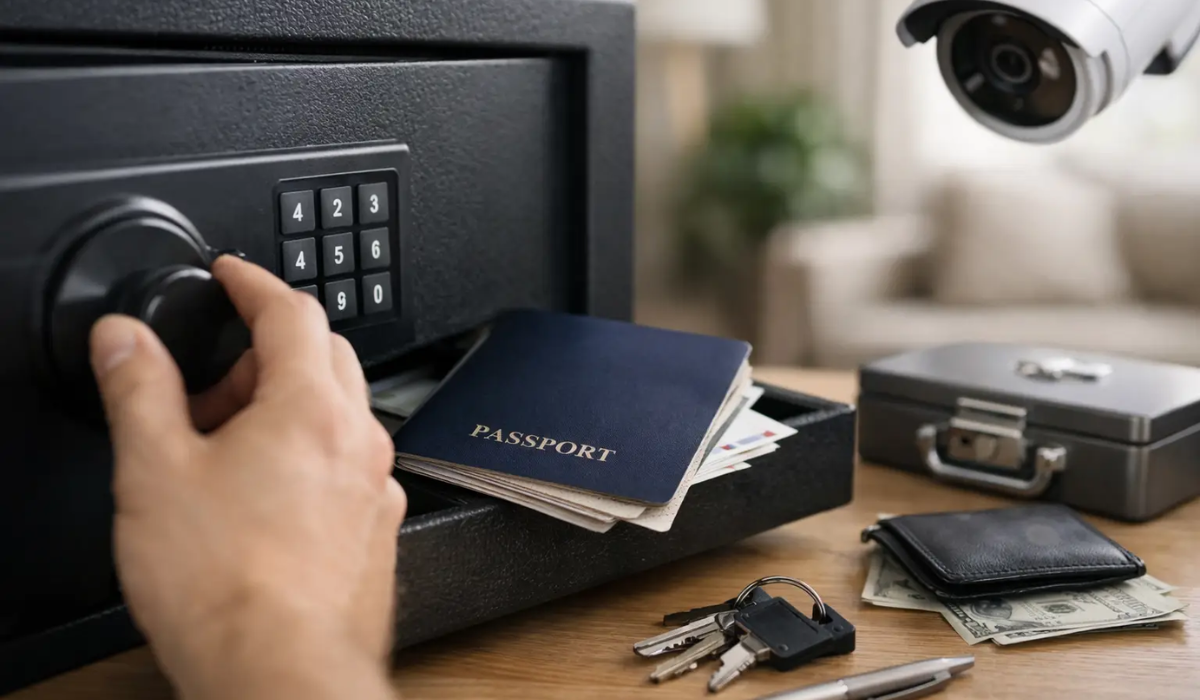
A missing passport usually becomes a problem at the worst possible time - the night before a trip, during a move, or after a break-in, small fire, or plumbing leak. If you're figuring out how to secure passport documents, the goal is simple: keep them protected from theft, fire, water, and everyday misplacement without making them hard to access when you actually need them.
That balance matters more than people think. Passports are compact, easy to overlook, and valuable to criminals because they support identity theft and travel fraud. At the same time, locking them away too aggressively can create its own headache if you need them quickly for travel, immigration paperwork, or emergency evacuation.
Why passport storage deserves more thought
A passport is not just another paper document. It is a government-issued identity credential tied to travel, banking, employment verification in some situations, and a long list of personal records. If it is stolen, the damage goes beyond the replacement fee.
The most common mistake is storing passports in a desk drawer, file folder, or nightstand because it feels convenient. That setup may work until guests are in the house, contractors come through, a child relocates the folder, or a burst pipe soaks everything in one cabinet. Convenience without real protection is usually just temporary luck.
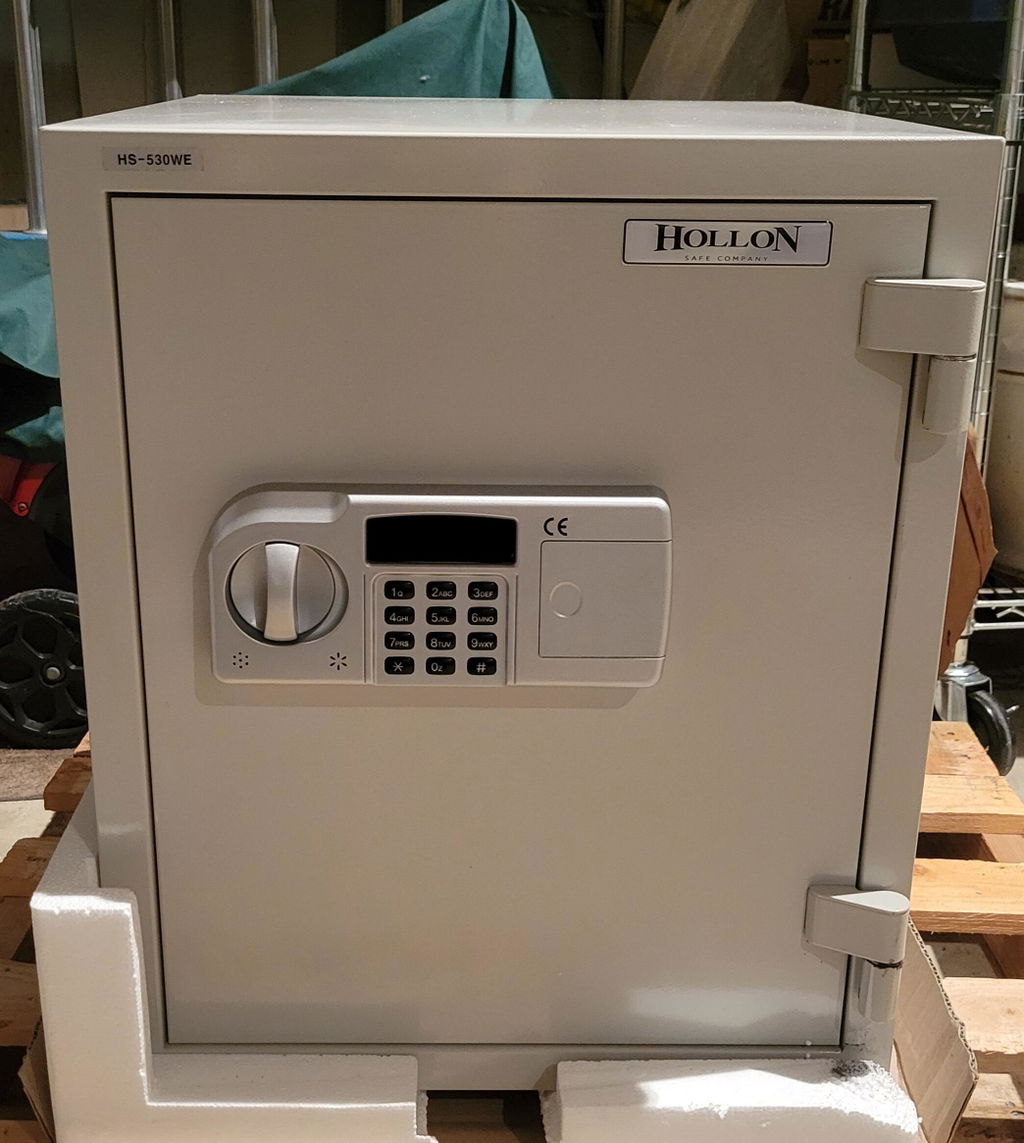
For most households, the right answer is layered protection. You want a location that is discreet, a container that resists fire and water to a reasonable degree, and a lock that limits casual access. Whether that means a compact document safe, a home safe with a fire rating, or a fire-resistant file solution depends on what else you need to protect alongside the passports.
How to secure passport documents without overcomplicating it
Start by thinking about risk in the right order. Theft gets the most attention, but fire and water damage are just as real, and they often affect an entire stack of documents at once. A passport with heat damage, swollen pages, or water exposure may still need to be replaced even if it was technically recovered.
That is why a basic lockbox is only part of the answer. If it has no meaningful fire or water resistance, it may stop casual snooping but fail when the stakes are higher. On the other hand, a heavy burglary-rated safe may be more protection than some families need if the real goal is keeping passports and other papers organized, dry, and away from children.
The practical middle ground for many homeowners is a small safe or document container with a verified fire rating, some level of water resistance, and the ability to be anchored or placed in a low-visibility location. If you already own a larger home safe for valuables or firearms, passports can often live there too, as long as they are stored in a clean document pouch or folder so they stay easy to find.
Where should passports be stored?
The best place is usually inside a locked, fire-protective container in the home - not in luggage, not in a vehicle, and not loose in a filing cabinet. Cars are especially poor storage locations because they combine heat, theft risk, and the chance that the passport gets forgotten when plans change.
Within the home, avoid obvious spots first. The master bedroom closet, top dresser drawer, and office desk are common targets in a burglary because they are where people tend to keep cash, jewelry, and paperwork. A safe hidden in plain sight or installed in a less predictable location is often a smarter choice than a visible lockbox in a predictable room.
Placement also depends on the safe itself. A heavier safe that can be anchored adds meaningful resistance against smash-and-grab theft. Smaller document safes are easier to fit into a closet or shelf space, but if they are light enough to carry, anchoring matters. If anchoring is not possible, choose placement carefully and prioritize fire protection.
What kind of protection matters most?
For passports, fire rating is usually the first spec worth checking. Paper is vulnerable long before a room is fully engulfed, so a tested fire rating gives you a more realistic sense of protection than marketing words alone. If the safe will also store birth certificates, Social Security cards, insurance records, and family photos, that rating becomes even more important.
Water resistance is the next factor people tend to underestimate. Fire response often involves a lot of water, and household leaks are more common than dramatic disasters. A safe that helps keep contents dry during splashing, hose-down conditions, or short-term water exposure can make a real difference.
Burglary protection still matters, but here the answer depends on your setting. If your main concern is keeping identity documents away from opportunistic theft, children, guests, or household staff, a quality residential safe may be enough. If you are storing passports with cash, jewelry, rare coins, or other high-value items, stepping up to a more substantial safe makes more sense.
Lock type: simple beats clever if everyone needs access
Lock choice is not just about technology. It is about who needs access and how often. For passports, that usually means low-frequency access, which makes a traditional dial or electronic keypad both reasonable options.
Electronic locks are popular because they are fast and simple for most users. They work well when you want quick access before a trip and do not want to manage a physical key. The trade-off is battery maintenance and the need to keep your code private and updated when household access changes.
Key locks can work for document boxes, but they create one more item to lose. If the whole point is securing identity documents, hanging the key nearby defeats the purpose. Biometric access is convenient on some safes, but for document storage alone, it is not always necessary unless the safe serves multiple uses in the home.
Organizing the inside matters more than people expect
A surprising number of people buy a safe and then create a mess inside it. When passports are buried under warranties, tax files, backup drives, and spare cash, they become harder to retrieve and easier to damage.
Store passports in a labeled document sleeve or folder, ideally together with only the travel documents that belong with them. If your household has multiple passports, separate them clearly by family member. Avoid rubber bands, overstuffed envelopes, or anything that can crease covers and pages.
It is also smart to keep photocopies or secure digital scans of the identification page in a separate protected location. That does not replace the passport, but it can speed up reporting and replacement if the original is lost or stolen. Just be thoughtful with digital storage. A scan sitting unprotected in email or a phone photo album creates its own security problem.
Mistakes to avoid when securing passport documents
The biggest mistake is treating passports like ordinary paperwork. The second is assuming any container labeled fireproof offers the same level of protection. Ratings, construction, seal design, lock quality, and overall build vary widely.
Another common mistake is storing all critical documents in one lightweight box that can be picked up and carried out. If portability is your top feature, that same feature helps a thief. In many homes, the better answer is a unit with enough weight, anchoring capability, or concealment to make removal difficult.
Finally, do not forget household access. If several adults need legitimate access, make sure the storage method is clear, consistent, and not dependent on one person remembering a secret hiding place. Good security should reduce stress, not create confusion right before a flight.
A practical setup for most households
If you want a realistic answer to how to secure passport documents, here it is: keep them in a fire-rated home safe or document safe, place that safe in a discreet location, and anchor it when the model allows. Add basic organization inside so the passports are easy to retrieve without handling every other sensitive record you own.
If you already need broader protection for jewelry, cash, family records, or firearms, it often makes sense to use one properly chosen safe rather than piecing together several weaker solutions. That is usually where buyers get the most value - not by chasing every feature, but by matching the safe to the actual contents, risk level, and installation space.
At Secure Zoned, this is the kind of decision we always encourage people to make carefully. Specs matter, but what matters more is choosing protection that fits real life in your home.
Passports spend most of their time sitting still, which makes it easy to forget how much trouble one lost or damaged document can cause. Put them somewhere with real protection, keep the setup organized, and future-you will be glad you handled it before the next trip is on the calendar.