A quick access safe guide should start with the moment that matters most - when you need access fast, under stress, in the dark, or with one hand free. That is why these safes are not just small lockboxes with a faster opening method. The right model has to balance speed, security, reliability, and safe storage habits in a way that fits your real life.
For many buyers, that means a handgun safe near the bed, a vehicle safe for temporary storage, or a compact unit in a home office for valuables and documents you need close by. The challenge is that quick access looks different depending on what you are protecting and who else is in the home. A safe that works well for a single adult in an apartment may be the wrong fit for a family with children, frequent guests, or multiple authorized users.
What a quick access safe is really for
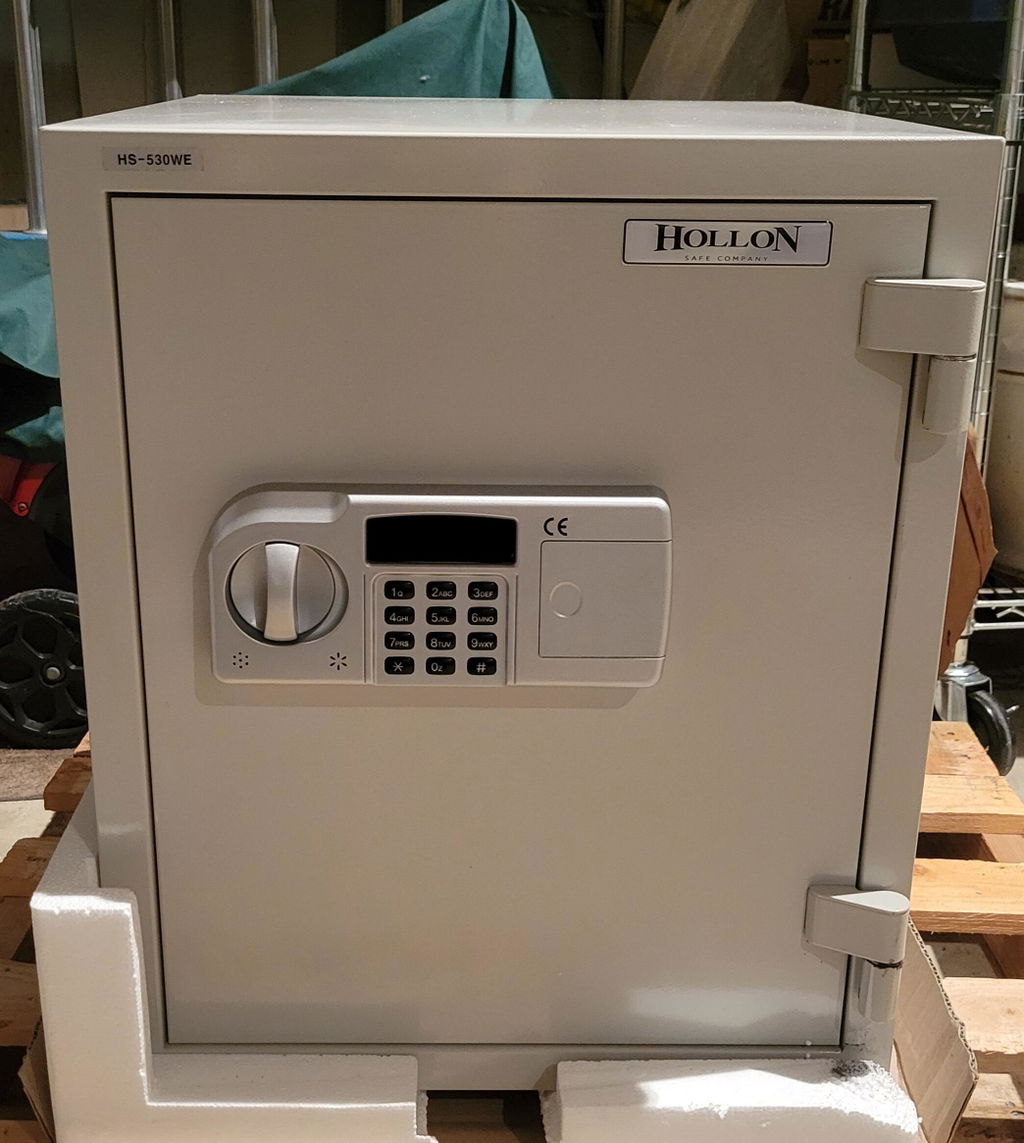
A quick access safe is built for short retrieval time without giving up basic unauthorized-access protection. Most are designed around handguns, spare magazines, passports, cash, medication, or compact valuables. They are not a replacement for a large gun safe, burglary safe, or fire safe when your goal is long-term storage, deeper theft protection, or broad collection security.
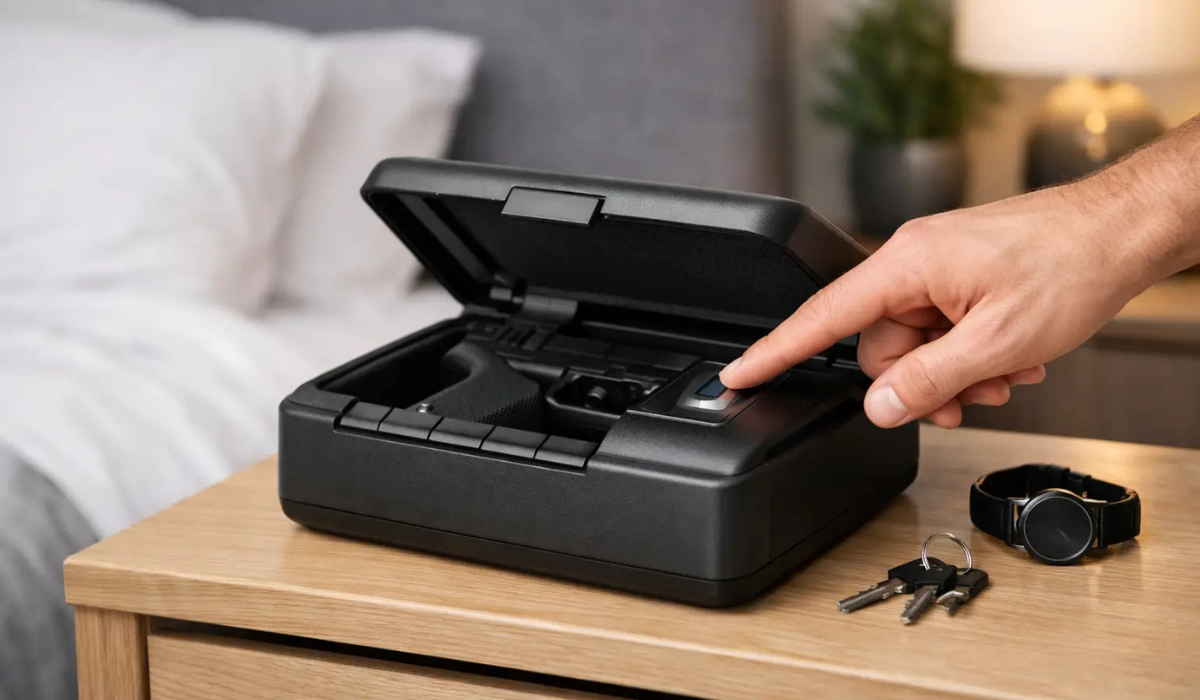
That distinction matters. A lightweight bedside safe with a biometric lock may be excellent for getting to a defensive handgun quickly, but it will not offer the same steel thickness, internal volume, or attack resistance as a heavier full-size safe that is anchored in place. If you expect one product to do both jobs equally well, you will probably end up disappointed.
Quick access safe guide: start with the use case
Before comparing lock types or dimensions, be honest about the job the safe needs to do. Bedside access is the most common use case, but it is not the only one. A parent may want secure handgun storage that still allows rapid entry. A business owner may need a small office safe for a sidearm, petty cash, and important items that should not sit in a desk drawer. Someone who travels frequently may want temporary vehicle storage, knowing that a car is never the ideal long-term place for a firearm or valuables.
The environment changes the feature priorities. In a bedroom, silent entry and one-handed opening may matter most. In a closet or office, interior size and mounting flexibility may be more important. In a vehicle, cable attachment and a compact footprint may move higher on the list, though that setup usually involves more compromise on theft resistance.
Lock types and what they are good at
The lock is where most quick access buying decisions begin, and for good reason. Speed means nothing if the lock is inconsistent, confusing, or vulnerable to failure.
Biometric locks are popular because they can be very fast. A good fingerprint reader can open the safe in seconds and avoid the need to remember a code under stress. The trade-off is that biometric performance depends on sensor quality, fingerprint enrollment, finger placement, and conditions like moisture or dirt. Some buyers love them. Others prefer not to rely on a fingerprint as the primary method.
Electronic keypad locks are often the most familiar option. They are straightforward, easy to program, and work well when the keypad layout is simple enough to use by touch or low light. The downside is that batteries matter, and under stress, some users may fumble a code if they have not practiced.
RFID and button-style mechanical simplex locks can also be strong choices, especially for buyers who want consistent access without depending on fingerprint scans. Mechanical pushbutton designs have a loyal following because they avoid battery concerns, though they may offer fewer format options and are more common on certain safe styles than others.
The best answer is rarely universal. If several adults may need access, a keypad or multiple stored fingerprints can make sense. If reliability is your top priority and you want to reduce electronic dependency, a mechanical option may be worth a close look.
Size matters more than most people expect
Many shoppers buy too small. They picture a single handgun and forget about a mounted optic, taller sights, a weapon light, a spare magazine, or the simple fact that foam-lined interiors can be less forgiving than product photos suggest.
A compact quick access safe should fit your firearm as configured, not as it looked when it came out of the box. If you rotate carry guns, size for the largest realistic setup. If the safe will hold passports, watches, cash envelopes, or medication alongside the firearm, make room for that too.
Interior dimensions matter more than exterior dimensions. So does the door opening. A safe can technically fit an item while still making it awkward to retrieve quickly. Fast access depends on enough clearance to grab what you need without snagging on the frame or cramming items together.
Security features worth paying attention to
A quick access unit is not usually a TL-rated burglary safe, but that does not mean all models are equal. Steel construction, pry resistance, solid hinge design, and anti-tamper features can vary a lot.
Mounting capability is one of the biggest factors. A small safe that is not anchored can be stolen and opened later at someone else’s convenience. Pre-drilled anchor holes, included hardware, and a design that works with your intended mounting surface should be part of the decision, not an afterthought.
You should also look at backup entry options and lock quality. Some buyers appreciate a keyed override for emergencies. Others see it as a possible weak point and prefer a design without one. That is a classic it-depends decision. If you are worried about electronic failure and want a backup path, override access may be reassuring. If minimizing attack paths matters more, you may lean the other way.
Placement can make or break the setup
The best safe on paper can be a poor fit if it is placed badly. Bedside safes should be reachable from your usual sleeping position, but not visible or easy for a child or guest to tamper with. Under-bed, in-drawer, nightstand-mounted, and closet-shelf installations all have their place.
Think through opening direction, lighting, and how you actually move at night. A safe that requires an awkward wrist angle or blocks itself against furniture when the door opens is a problem waiting to happen. Test the location before committing. Sit, kneel, and reach from the position you would actually be in.
For office use, discretion matters as much as access. A quick access safe placed in a desk knee space may be faster, but a more concealed mounting point may make more sense if other employees, visitors, or contractors pass through the area.
Power, maintenance, and real-world reliability
Every quick access safe guide should mention the boring part, because boring is what keeps a safe dependable. Electronic safes need battery checks. Biometric safes need enrolled fingerprints updated and tested. Mechanical buttons need occasional inspection and regular use so the code becomes second nature.
Practice matters. If you have never opened the safe in low light, half asleep, or with your non-dominant hand, you do not really know how well your setup works. The safe should be fast for you, not just fast in a product demo.
If children are in the home, training and household rules matter too. A safe is a layer of protection, not permission to get casual. Responsible firearm storage depends on both secure hardware and consistent habits.
Choosing the right model without overbuying
There is a temptation to chase every feature at once - biometric entry, keypad backup, thick steel, interior lighting, silent mode, travel capability, and enough room for extras. Sometimes that is appropriate. Sometimes it just drives up cost without improving your actual outcome.
If your priority is bedside handgun access, speed, reliability, and secure mounting should lead the list. If the safe will protect valuables in a home office, capacity and placement flexibility may matter more. If you need a secondary safe to complement a larger gun safe, focus on the specific gap it is filling rather than asking it to do everything.
That is usually how the smartest purchases happen. Not by finding the most features, but by matching the right features to the risk, the room, and the routine.
A well-chosen quick access safe does a simple job extremely well: it keeps unauthorized hands out while keeping your essentials within reach when seconds count. If you approach the purchase with that standard in mind, the right option tends to become much clearer.