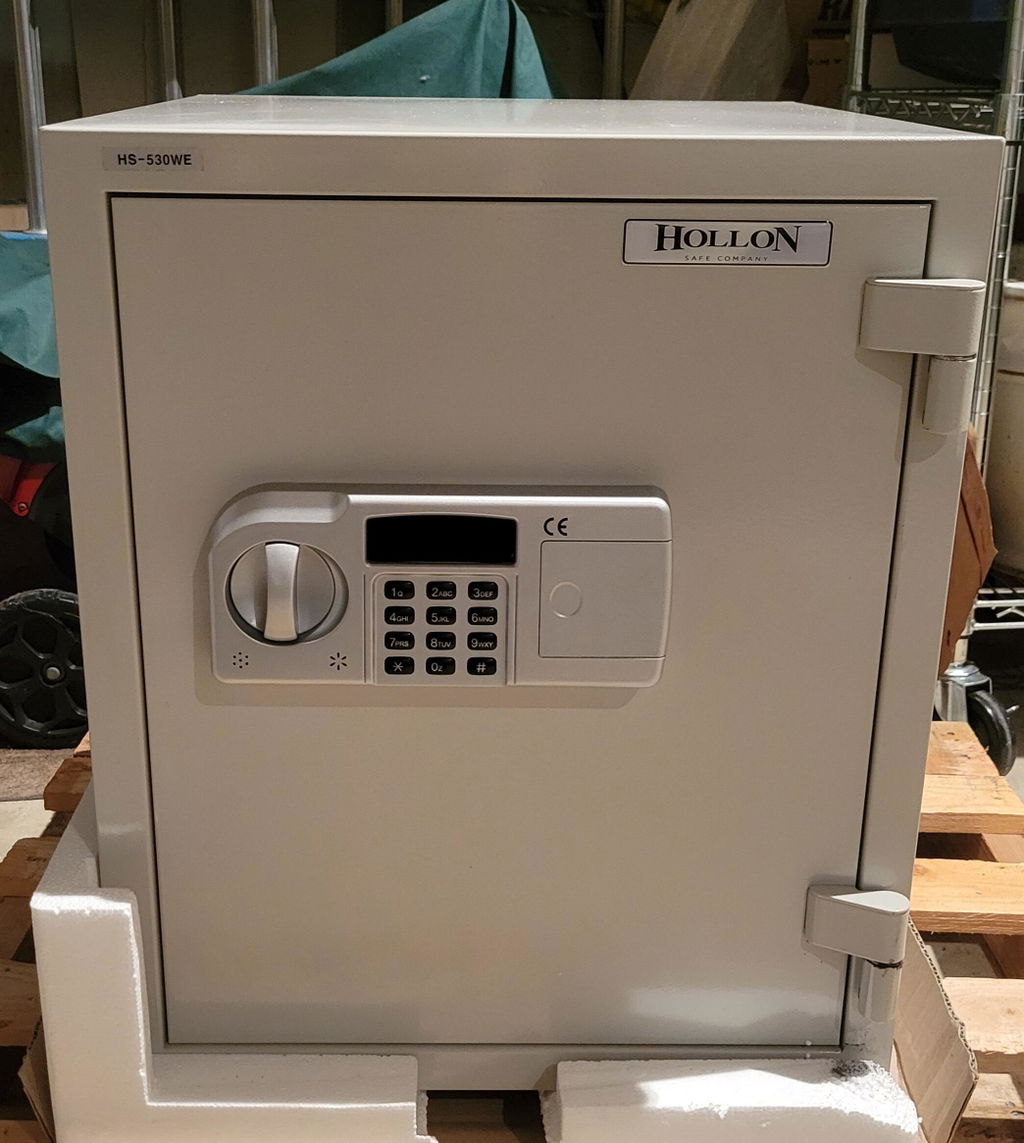
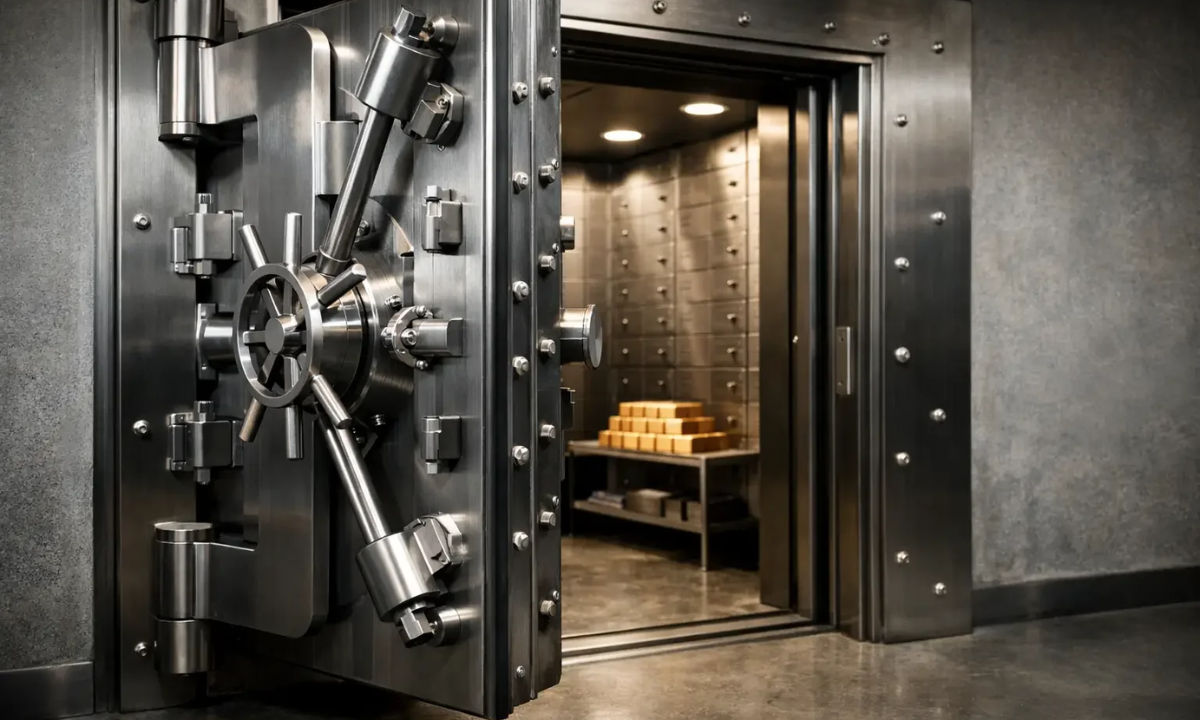
A vault door can turn a closet, safe room, storm shelter, or secure storage area into a far more protected space. But knowing how to choose vault doors starts with a practical question: what are you protecting, and what threats does the room need to withstand? A door that looks impressive but does not match your wall construction, installation plan, or security objective can leave you with a costly weak point.
For many homeowners, the goal is responsible firearm storage, protection for documents and family heirlooms, or a private safe room. For collectors and business owners, it may be higher-value inventory, records, cash, or controlled-access storage. The right choice depends on the risk, the room, and the level of daily access you need.
Start With the Protection Outcome You Need
Vault doors are not all built for the same job. Some are designed primarily to add fire protection and privacy to an existing room. Others are built with heavy plate steel, active locking bolts, relockers, and reinforced frames intended to resist sustained burglary attempts. Buying more door than you need can consume budget that should go toward construction and installation. Buying too little can create a false sense of security.
Think through the contents first. A firearm room may need serious burglary resistance, dependable lock access, and a layout that keeps guns secured from unauthorized users. A document room may place greater value on fire resistance and smoke protection. A panic room needs reliable operation from both sides, clear emergency planning, and hardware occupants can use under stress.
Also consider how long the contents are likely to remain inside. Jewelry, cash, collectibles, and firearms are high-interest targets because they are portable and easy to resell. If the room will hold these items regularly, prioritize a heavier security design rather than treating the door as a decorative upgrade.
How to Choose Vault Doors That Fit the Opening
The opening and surrounding structure should guide the door selection as much as the door itself. Measure the finished rough opening carefully, including width, height, and wall thickness. Verify whether the manufacturer lists an overall frame dimension, a rough opening requirement, or a clear walk-through dimension. Those numbers are not interchangeable.
A door with a comfortable clear opening can still require a substantially larger framed opening. Plan for the door swing as well. A large inward-swinging door may reduce usable room space, while an outward-swinging door can affect the hallway or adjacent area. Right-hand and left-hand swing options matter more than many buyers expect, especially in a closet conversion or basement room.
Wall construction is equally critical. Vault doors are exceptionally heavy, and their strength depends on a properly built concrete or reinforced masonry opening. A door can have thick steel and substantial locking bolts, but it cannot compensate for a weak wall, inadequate anchoring, or poor concrete work around the frame.
Before ordering, confirm these details with the installer or contractor:
- Finished wall thickness and the type of wall construction
- Exact rough opening dimensions and whether the frame is designed for a new build or retrofit
- Door swing direction, clearance, and access path for delivery
- The ability of the floor and structure to handle the door's weight
This planning stage is where many expensive mistakes are avoided. Do not assume a standard residential doorway can accept a vault door frame without structural changes.
Compare Security Construction, Not Just Appearance
A glossy finish, decorative hardware, and a thick-looking door can all be appealing, but the security specifications deserve closer attention. Start with the steel construction of both the door and the frame. Manufacturers may describe steel by gauge or by plate thickness. Lower gauge numbers generally indicate thicker steel, while plate thickness is usually stated in inches. Compare like for like whenever possible.
Look at the locking system next. Active locking bolts secure the door when the lock is engaged, while fixed deadbolts on the hinge side help resist prying. More bolts are not automatically better if they are small or poorly supported, but a well-engineered multi-bolt system is a meaningful security feature. The bolt size, number, placement, and the strength of the surrounding door edge all work together.
Internal relockers are another valuable feature. These devices are designed to engage if an attacker attempts to punch, drill, or tamper with the lock area. A hard plate protecting the lock and a reinforced lock housing add another layer of defense. For higher-risk applications, ask specifically about these components instead of relying on broad claims such as “burglary proof.”
Be careful with ratings language. A UL-listed lock means the lock itself has met applicable testing standards, but it does not mean the entire vault door has a UL burglary rating. Likewise, a TL-15 or TL-30 rating applies to a complete safe tested against specified attack methods. It should not be assumed for a vault room simply because it has a heavy door. Honest comparisons separate verified ratings from general construction features.
Match Fire Protection to the Room's Purpose
Fire protection is especially relevant when the vault room will hold paper records, family photos, legal documents, or certain firearms and accessories. A stated fire rating should identify both time and temperature, such as 90 minutes at a specified heat level. More time can provide a larger margin during a severe fire, but the entire room assembly still matters.
A fire-rated door installed in an unprotected room is not the same as a fully fire-rated vault enclosure. Heat can enter through walls, ceilings, utility penetrations, and gaps around improperly installed frames. Smoke and moisture from firefighting efforts can also damage documents and valuables even when flames never reach the room.
For document storage, use the vault door as one part of a layered plan. Fire-resistant containers inside the room can add protection for irreplaceable records. If digital media is part of the plan, remember that electronics and data media can be damaged at lower temperatures than paper. Their storage requirements may be different from ordinary documents.
Choose a Lock for Daily Use and Backup Access
The lock determines how you interact with the door every day, so convenience and security need to be balanced. A mechanical dial lock is proven, battery-free, and familiar to many safe owners. It can be a strong choice for a room that does not need frequent access, although opening it takes more time and precision.
Electronic keypad locks offer faster access and simple code changes. Quality matters here. Look for a reputable lock manufacturer, a clear battery-change procedure, and an emergency plan for a low battery or lock issue. An electronic lock should not leave you guessing how to gain access when the battery needs replacement.
Biometric access can be convenient for authorized household members, but it should be evaluated realistically. Fingerprint performance can vary with dirty hands, moisture, injury, or repeated use. For a vault door, many owners prefer biometric access only when there is also a dependable keypad or mechanical override option.
If multiple people need access, establish clear rules before choosing the lock. A shared code may be simple, but it offers less accountability than separate user codes where available. For a business or controlled-access room, access records and code management may matter as much as opening speed.
Plan Installation, Delivery, and Concealment Early
Vault door installation is not a typical DIY project. Door weights can range from several hundred pounds to well over a thousand, and maneuvering one through a home requires equipment, trained help, and a safe route. Stairs, narrow hallways, sharp turns, finished flooring, and low ceilings can all affect delivery planning.
The frame must be set square and properly anchored before the door is adjusted. Even a high-quality door can bind, leak smoke, or fail to lock smoothly if the frame is out of alignment. Installation is a security issue, not just a finish-detail issue.
Concealment can add valuable time and uncertainty for an intruder, but it should never be your only security measure. A vault door behind a bookcase, in a closet, or in a discreet basement location may be less obvious, yet the room still needs proper construction and a door built for the threat level. Avoid locations where plumbing leaks, flooding, or emergency egress concerns could create new problems.
Do Not Buy the Door in Isolation
A vault room is a system: door, frame, walls, ceiling, ventilation, electrical penetrations, lock plan, and installation all affect the final result. Decide whether the room requires communication equipment, emergency lighting, humidity control, or an independent egress plan before construction begins. Any penetration through the enclosure should be planned so it does not become an easy bypass point.
Price should be evaluated in the same way. Compare delivered cost, installation requirements, lock options, fire features, and the construction work needed to support the door. Free shipping and financing can make a major purchase easier to plan, but the best value is the door and room system that protect what matters most for years to come.
A well-chosen vault door should feel reassuring every time it closes: properly fitted, easy for authorized people to operate, and backed by security features that match the real risks you are trying to manage.